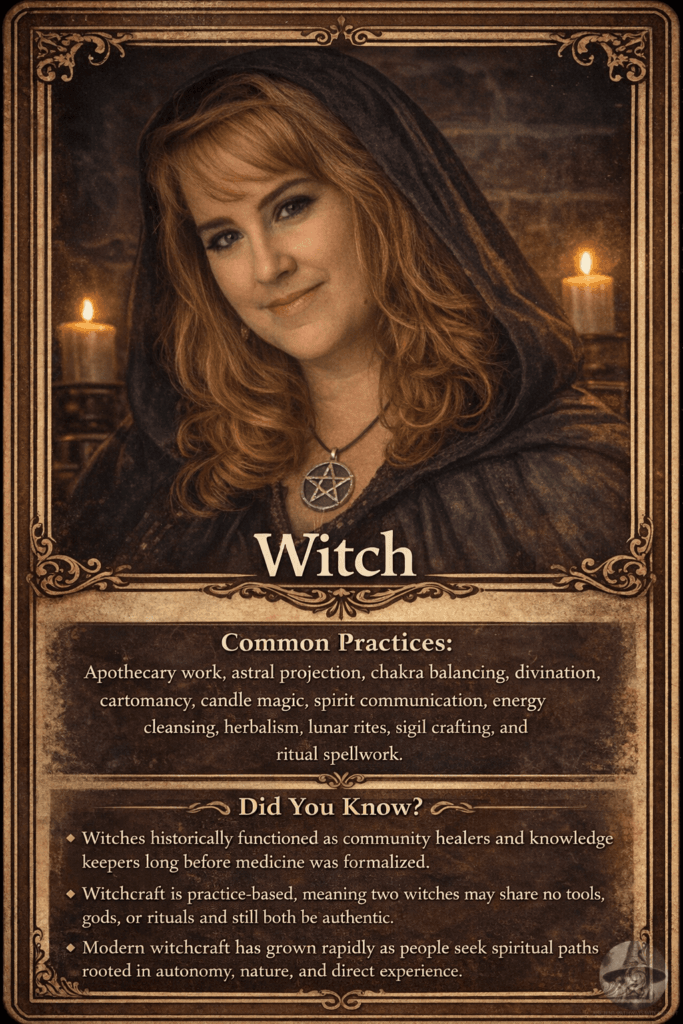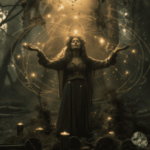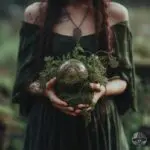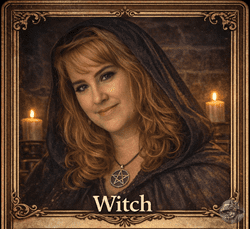

Witches have walked beside humanity for as long as we have sought meaning in the natural world. Often misunderstood and frequently misrepresented, witches are not figures of fantasy but practitioners of relationship: with nature, with spirit, and with the unseen forces that move through everyday life. Across history, they have been both honored and feared, yet their role has endured.
What Is a Witch?
A witch is someone who practices magic through awareness, intention, and connection. Rather than following a single belief system, witchcraft is experiential and adaptive. Witches observe cycles, listen deeply, and work with subtle energies found in the land, the body, and the spirit world. Their power comes not from domination, but from attention and alignment.
Witches Through History
In many ancient societies, witches served as healers, midwives, diviners, and guardians of communal wisdom. They understood plants, stars, dreams, and seasons. During the witch trials of Europe and colonial America, this knowledge became dangerous, and thousands were persecuted for their independence and insight. Despite this, the craft survived, carried quietly through families, folklore, and practice.
Across Cultures
Witch-like figures appear worldwide. Baba Yaga in Slavic lore embodies both danger and guidance. Sangomas in African traditions act as healers and spiritual intermediaries. Celtic wise women and Druids tended the mysteries of land and spirit. While names and symbols differ, the role remains familiar: one who stands between worlds.
Witchcraft Today
Modern witchcraft blends ancestral practices with contemporary life. Some witches work closely with plants and the land, others focus on ritual, divination, or energy work. Tools may include candles, herbs, cards, journals, or none at all. What matters most is relationship, presence, and intention.
Today’s witches often walk paths of healing, self-knowledge, and empowerment. Their craft is not about spectacle, but about participation in the living mystery of the world. To practice witchcraft is to listen, to notice, and to choose to engage the sacred woven through ordinary life.
What Is a Witch?
A witch is someone who practices magic through awareness, intention, and connection. Rather than following a single belief system, witchcraft is experiential and adaptive. Witches observe cycles, listen deeply, and work with subtle energies found in the land, the body, and the spirit world. Their power comes not from domination, but from attention and alignment.
Witches Through History
In many ancient societies, witches served as healers, midwives, diviners, and guardians of communal wisdom. They understood plants, stars, dreams, and seasons. During the witch trials of Europe and colonial America, this knowledge became dangerous, and thousands were persecuted for their independence and insight. Despite this, the craft survived, carried quietly through families, folklore, and practice.
Across Cultures
Witch-like figures appear worldwide. Baba Yaga in Slavic lore embodies both danger and guidance. Sangomas in African traditions act as healers and spiritual intermediaries. Celtic wise women and Druids tended the mysteries of land and spirit. While names and symbols differ, the role remains familiar: one who stands between worlds.
Witchcraft Today
Modern witchcraft blends ancestral practices with contemporary life. Some witches work closely with plants and the land, others focus on ritual, divination, or energy work. Tools may include candles, herbs, cards, journals, or none at all. What matters most is relationship, presence, and intention.
Today’s witches often walk paths of healing, self-knowledge, and empowerment. Their craft is not about spectacle, but about participation in the living mystery of the world. To practice witchcraft is to listen, to notice, and to choose to engage the sacred woven through ordinary life.