Webby

Home ⇒ Hereditary Witch

Healing Emotional Distress with Crystals: Your Comprehensive Guide

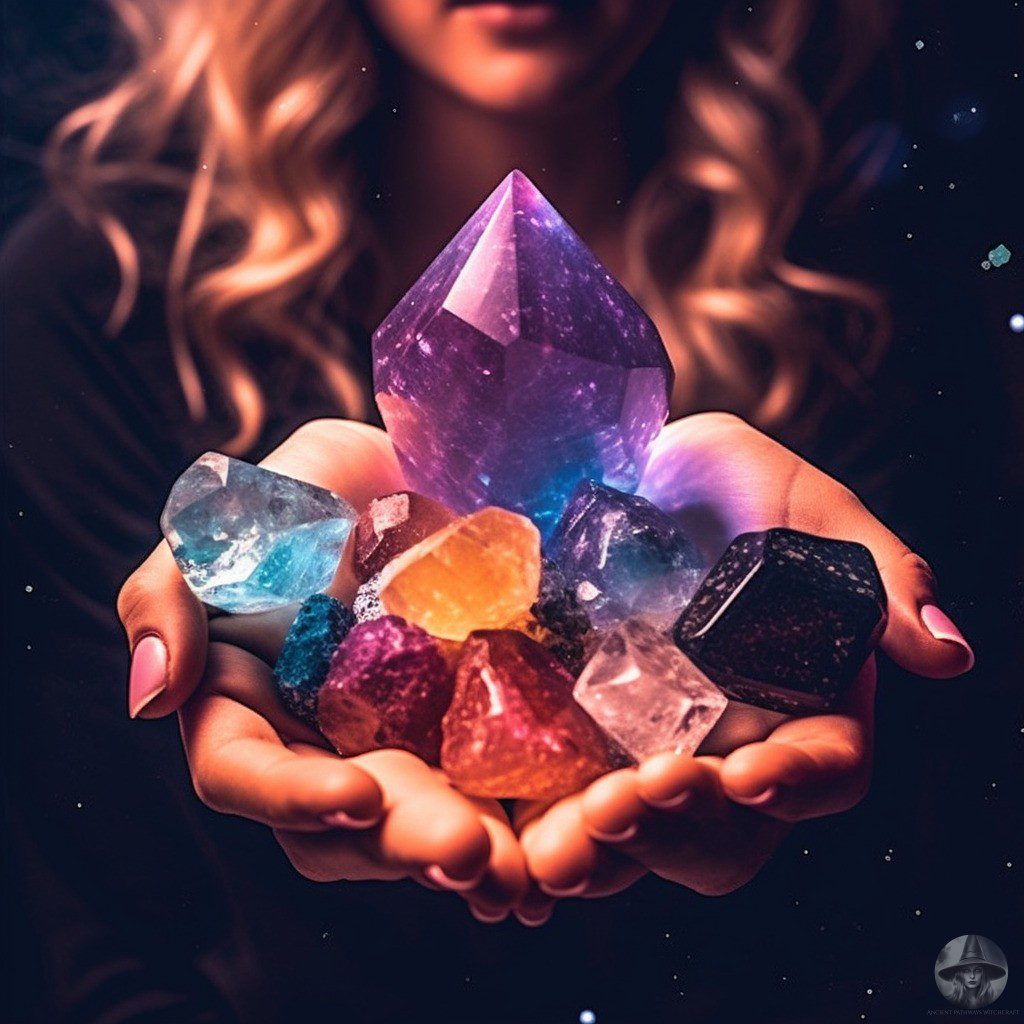
Life is filled with peaks and valleys, and at times, our emotions can feel like daunting mountains we're forced to climb. If you're facing intense feelings, remember that professional help is crucial, especially for severe mental health struggles. Alongside that, holistic aids like crystals can offer complementary support.


Understand that crystals aren't quick fixes, rather, they're companions in your healing journey. Each crystal carries its unique vibration that resonates with the energy within our bodies. For those sensitive to this dance of energies, crystals can help bring balance and calm.


Now, let's explore the world of crystals that can provide support for specific emotional struggles:


Anger: A boiling emotion that could use a soothing touch.


  • Blue Lace Agate: Like a tranquil sky, it calms the storm of anger.
  • Amethyst: The peace-bringer, it works to cool the heat of anger.
  • Muscovite: As the mirror stone, it helps reflect on one's actions, diffusing anger.
  • Rose Quartz: Its loving energy tends to anger, melting it away.
  • Carnelian: Known for its stabilizing qualities, it soothes and controls anger.

Anxiety: When worries take the front seat, let these crystals be your companions.


  • Moonstone: Soothing as the moonlight, it balances emotions to ease anxiety.
  • Tiger’s Eye: Its protective energy shields you from anxiety-inducing fears.
  • Labradorite: A magical stone known to calm overactive minds and reduce anxiety.
  • Hematite: Grounding and stabilizing, it dissolves anxiety.
  • Tourmaline: The protective stone that turns negative energy into positive to combat anxiety.
  • Rose Quartz: Its loving energy instills calmness and reassurance.

Depression: Here are crystals that could be your lanterns in darker times.


  • Tigers’ Eye: A reminder of your inner strength, it helps in overcoming despair.
  • Carnelian: Its invigorating energy can help uplift spirits.
  • Smoky Quartz: Known to dispel negative emotions and uplift mood.
  • Staurolite: The comforting stone brings hope during dark times.
  • Moss Agate: A stabilizing stone, it refreshes the soul and enables you to see the beauty in your surroundings.
  • Lapis Lazuli: This 'Stone of Total Awareness' can bring clarity and inspire hope.
  • Sunstone: A ray of light, it carries the sun's energy, filling your life with positivity.
  • Kunzite: Known as the stone of emotion, it connects the heart and mind for healing.

Fear: The following crystals could inspire courage and reduce fear.


  • Rose Quartz: Its nurturing energy soothes and reassures the heart.
  • Rutilated Quartz: Known to illuminate the soul, it can help let go of fear.
  • Emerald: This 'Stone of Successful Love' brings confidence and strength to overcome fear.
  • Citrine: Known as a happy stone, it encourages fullness of life, fresh beginnings, and new pursuits.
  • Hematite: The protective energy of this stone helps you stay grounded when fear tries to sweep you away.

Grief: These crystals can provide gentle support in periods of loss.


  • Red Jasper: Known for its nurturing energy, it brings comfort during times of stress.
  • Lapis Lazuli: This wisdom stone aids in emotional healing and offers solace.
  • Rhodochrosite: The stone of love and healing, it gently mends the heart.
  • Clear Obsidian: This truth-enhancing stone provides grounding in turbulent times.

Insecurity: Encouraging self-worth, these crystals can provide a much-needed confidence boost.


  • Muscovite: Inspiring self-reflection, it helps you acknowledge your strengths and flaws and fosters self-acceptance.
  • Labradorite: A stone of transformation, it imparts strength and perseverance, boosting self-confidence.
  • Angelite: Its energy promotes feelings of peace and tranquility, which can help combat feelings of insecurity.

Jealousy: These stones can help diffuse envy and promote contentment.


  • Peridot: Known as a stone of compassion, it assists in rebalancing the heart chakra, reducing feelings of jealousy.
  • Amethyst: By promoting emotional centering, it can help clear the negative emotions that fuel jealousy.
  • Apophyllite: This high-vibration stone enhances inner clarity, helping you see beyond petty jealousies.

Shame: Let these crystals guide you in releasing feelings of shame and encouraging self-love.


  • Larimar: Also known as the Atlantis stone, it promotes relaxation and helps to break down walls one may have built around the heart.
  • Rhodochrosite: The stone of self-love, it encourages you to look within and recognize your worth.
  • Chrysocolla: This serene stone dispels negative energy, encourages self-awareness, and inspires you to start anew without the burden of shame.

Remember, it's important to regularly cleanse your crystals to maintain their healing properties. Also, while crystals can be a beautiful part of a holistic approach to well-being, they are not a substitute for medical treatment. If you're dealing with severe emotional struggles, always seek professional help.
Your Beginner’s Guide to Crystal Energy: Harnessing the Power of Stones

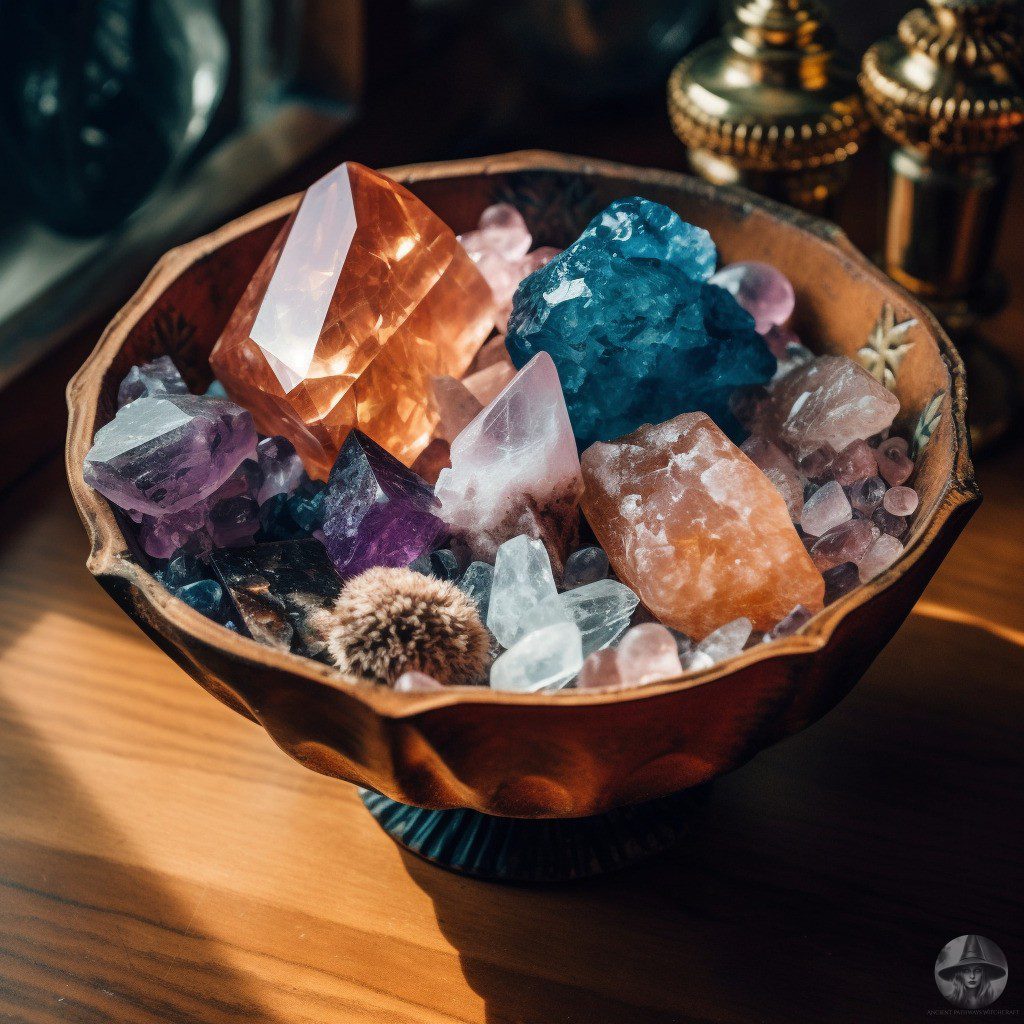
Have you ever wondered about the energy of crystals and how they can influence your life? As a beginner, it can be overwhelming to know where to start. Hence, I've received many queries about which crystals I recommend for those embarking on their journey into the world of crystal energy. So, I decided to illuminate this path in today's blog post.


Together, we'll explore twelve handpicked crystals, each possessing its unique energy and purpose, that can help address common life issues. Don't worry; these stones are both easily accessible and relatively affordable. Let's dive in!


Citrine: Embracing Abundance Our journey begins with Citrine, often referred to as 'The Merchant's Stone.' Citrine embodies the vibrancy of the sun, radiating warmth, joy, and prosperity. This generous stone cultivates an environment of abundance and manifestation while ensuring you retain plenty for your well-being.

Citrine

Selenite: The Purifier Imagine creating a protective energy grid around your home, instilling a serene and peaceful atmosphere. That's the magic of Selenite. This crystal absorbs negativity like a sponge, replacing it with a soothing and gentle ambiance that invites calm and relaxation.

Selenite

Tiger's Eye: Confidence Booster Does your self-esteem need a pick-me-up? Allow Tiger’s Eye to be your companion. This charismatic stone imbues a sense of self-worth and personal power, helping you recognize your strengths and resolve inner conflicts.

Tiger's Eye

Smoky Quartz: Emotional Anchor For those battling depression, stress, or anxiety, Smoky Quartz provides gentle, comforting energy. This crystal neutralizes negative vibrations, promotes emotional balance, and serves as a grounding force to anchor you during turbulent times.

Smoky Quartz

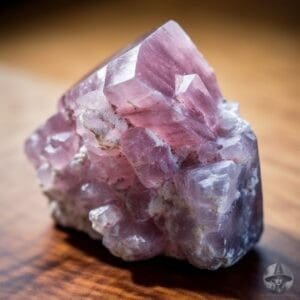
Lepidolite: The Grief Soother Lepidolite is a tender touch in times of grief. Renowned for clearing emotional blockages and curbing obsessive thoughts, this stone aids the grieving process by reducing stress, improving sleep, and facilitating deep emotional healing.

Lepidolite

Moonstone: Catalyst for Growth With Moonstone by your side, personal growth becomes a beautiful journey. By enhancing emotional intelligence and expanding the mind, this stone sets the perfect stage for self-development and transformation.

Moonstone

Amethyst: The Healer Amethyst, with its tranquil and soothing energy, is a natural healer. It aids in emotional and physical healing, while promoting a sense of calm and peace (*this should not be used as a substitute for professional medical advice).

Amethyst

Rose Quartz: Love Conduit The gentle and compassionate energy of Rose Quartz is synonymous with love and harmony. This stone heals the heart, promoting self-love and attracting love in its myriad forms into your life.

Rose Quartz

Green Aventurine: The Luck Magnet Who couldn't use a little more luck? Green Aventurine, often referred to as a stone of opportunity, is your lucky charm. It doesn't just attract good fortune; it propels you towards infinite possibilities.

Green Aventurine

Fluorite: Mind Sharpener If you're seeking mental clarity and focus, reach for Fluorite. This stone helps with organization, concentration, memory, and learning. It’s your perfect ally for nurturing new ideas and self-confidence.

Fluorite

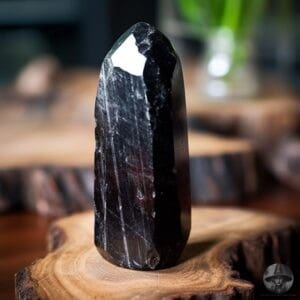
Black Tourmaline: The Protector Black Tourmaline is your shield against negative energies, ill wishes, psychic attacks, and even electromagnetic smog. This stone acts as a vacuum cleaner for negativity, providing comprehensive protection for your energy field.

Black Tourmaline

Clear Quartz: The Master Stone As a special mention, Clear Quartz is a potent and versatile stone. Known as a master healer, it amplifies any intention, making it a suitable substitute for any of the above crystals.

Clear Quartz


Crafting Your Crystal Journey


Now that you are equipped with the knowledge of these twelve stones and their unique energies, the world of crystal healing opens its doors to you. Your journey will be deeply personal, and there's no right or wrong way to begin. Here are some steps to help you get started:


  1. Intuition First: Let your intuition guide you in choosing your crystals. You might feel drawn to a particular stone for reasons you can't quite articulate - that's okay! Trust your gut.

  2. Cleanse Your Crystal: Once you have your crystal, it's important to cleanse it to remove any lingering energies. You can do this in several ways, such as bathing it in moonlight or smudging it with sage.

  3. Set Your Intention: Hold your crystal in your hand and set an intention for it. This could be anything from seeking protection, attracting love, or inviting abundance. The crystal will hold this intention for you.

  4. Place or Carry Your Crystal: You can carry your crystal with you, or place it somewhere special - perhaps in a location where you'll see it regularly, or in a spot associated with your intention (e.g., placing a Citrine in your wallet for financial prosperity).

  5. Take Note of Shifts: As you work with your crystals, you may start to notice small shifts in your feelings, your mindset, or your general energy. Be open to these changes - they're signs that the crystal is doing its work!


Embarking on your crystal journey is a deeply personal and enriching experience. There's no need to rush - take your time to explore, learn, and grow with your crystals. Embrace the energy they provide and enjoy the transformations they inspire within your life.


With this guide, you are now set to begin your adventure into the magical world of crystals. Whether you're seeking protection, love, prosperity, or healing, these twelve gems are your steadfast companions, ready to support and guide you in manifesting your desires and living a more balanced life.

Unraveling the Mysteries of Shamanism: Spiritual Realms, Healing, and Ancient Practices

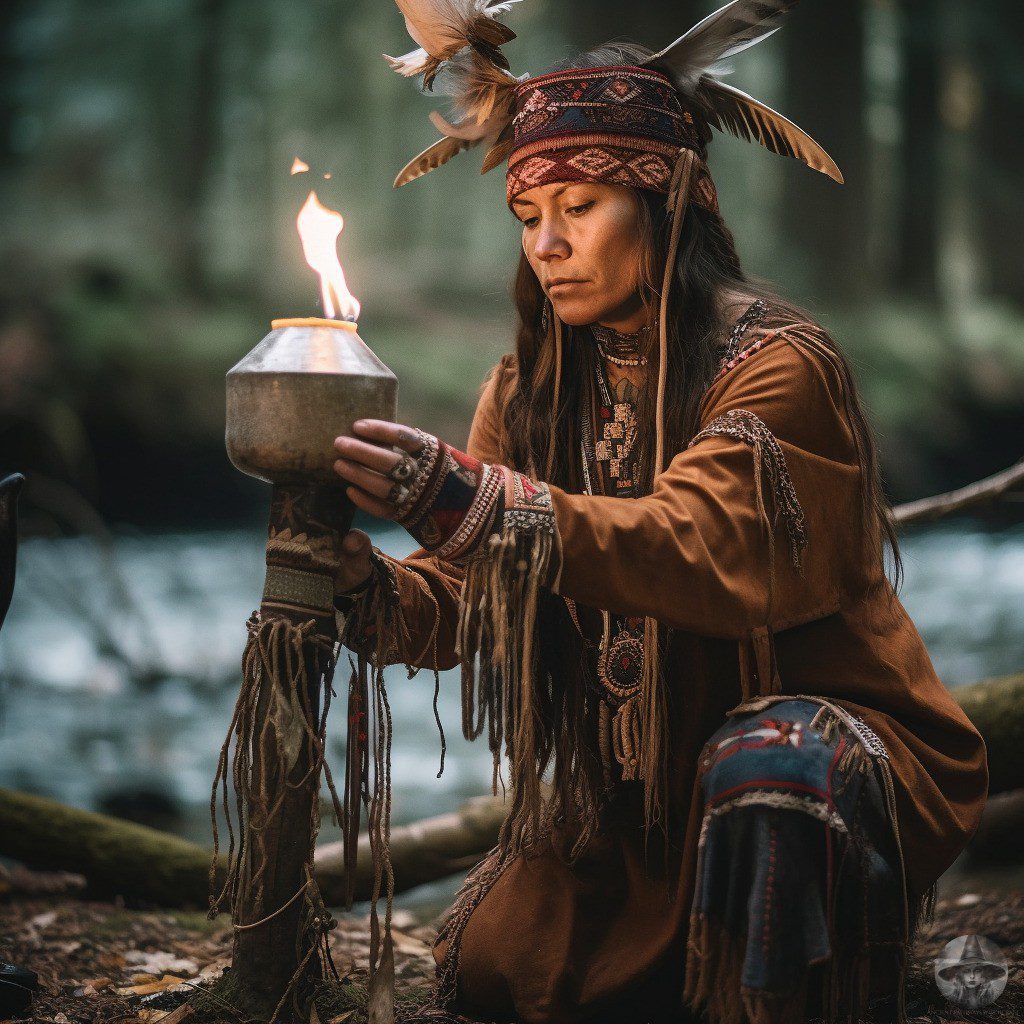
Let's delve into the mystical realm of 'Shamanism,' a belief system anchored in the deep-seated traditions of communicating with the spirit world. Across the vast tapestry of cultures worldwide, Shamanism shares a common thread - the existence of spirits, both benevolent and malevolent. These spirits hold a vital place in the fabric of individual lives and society as a whole. Shamans, the gifted intermediaries in this spiritual discourse, are capable of treating maladies inflicted by evil spirits, journeying into the supernatural world in a trance to seek wisdom, and invoking animal symbols as spirit guides and message carriers.


Venturing back in time, it's proposed that Shamanistic practices predate all organized religions, their roots tracing back to the Paleolithic era and certainly extending to the Neolithic period. Although some elements of Shamanism have been incorporated into organized religions, more often than not, these practices faced marginalization and discouragement. Early European settlers and explorers in parts of Africa frequently disparaged traditional healers, dismissing them as 'witch doctors' conjuring 'juju' magic.


In contemporary times, Shamanism primarily thrives among indigenous populations across the globe - from the vast tundras to lush jungles, arid deserts to quiet rural landscapes, and even within the bustling cities and suburbs. Recent movements in the New Age and Neopaganism spheres have sought to integrate elements of Shamanism, Eastern religions, and Native American cultures, a practice referred to as 'Neo-Shamanism.' However, these attempts have been met with significant criticism.


The path of a Shaman demands individualized knowledge and unique abilities. Shamans typically operate outside the framework of established religions, often working in solitude, albeit some may choose to join associations, akin to the tantric practitioners in India. Their roles are multi-faceted, encompassing healing, performing sacrifices, preserving cultural heritage through storytelling and songs, fortune-telling, and acting as psychopomps, or 'guides of souls.'


Societal beliefs regarding the acquisition of shamanic powers vary. In some cultures, shamanic abilities are considered inherited, while in others, it's believed that Shamans follow a 'calling,' necessitating extensive training and oftentimes a rite of passage. Shamans typically command respect and wield considerable power within their communities, revered for their extraordinary powers and profound knowledge. However, due to their potential to cause harm, they may also be regarded with a mix of fear and suspicion.


Although the disease is viewed as a product of the spiritual realm, incited by malevolent spirits or witchcraft, Shamans utilize both spiritual and physical methodologies to promote healing. It's common for a Shaman to symbolically 'enter the body' of the afflicted individual to engage the offending spirit, restoring health by banishing the invasive entity. Shamans frequently possess extensive knowledge of their local flora, often prescribing herbal remedies as part of the healing process. Furthermore, the use of 'totem' items such as rocks, believed to possess unique powers and an animating spirit, is widespread.


The Shaman's journey into the spirit world is typically achieved by transitioning their consciousness into an ecstatic trance, often facilitated by self-hypnotism, psychoactive substances, or other ritualistic practices such as music, drumming, singing, vigils, fasting, sweat lodges, or vision quests. While Shamanism is predominantly a male domain, it's not uncommon to find female shamans in some cultures. A fascinating aspect of Shamanism lies in the acceptance of gender fluidity or two-spirit identities, wherein a Shaman may adopt the attire, characteristics, roles, or duties associated with the another sex, a practice embraced across various cultures.


Delving deeper into the fabric of Shamanism offers us a glimpse into the rich tapestry of diverse belief systems worldwide. Its unique amalgamation of spirituality, healing, and cultural preservation truly serves as a testament to the intricacies and depth of human spiritual endeavors. Despite the passage of time and the evolution of civilizations, Shamanism continues to endure and thrive as a beacon of ancient wisdom in the modern world.

Spiritualism Explored: Unraveling a Historic Spiritual Movement

Get ready to embark on a journey through time, cultures, and worlds unseen, as we delve into the ethereal realm of Spiritualism. This is a term which encapsulates a tapestry of beliefs and practices, swirling with psychic elements and paranormal charm, woven throughout the annals of human history and echoed in myriad cultures. It can trace its roots back to the enigmatic practices of shamanism and divination, thus holding a revered place among the oldest of spiritual expressions, and can be found flourishing in the rich soil of traditional indigenous religions.


Shimmering beneath the veil of the mortal world, Spiritualism thrives on the conviction that the spirits of the departed continue their existence beyond the confines of earthly life. These sentient entities from realms unseen are believed to converse with the living, with the aid of mediums as their conduits. The phenomenon of Spiritualism spans a multitude of mystical experiences: prophecy, clairvoyance, clairaudience, healing, visions, levitation, automatic writing and painting, revelations, and more – each an echo in the eternal quest to grasp the continuity of life after death.


As we carefully turn the time-worn pages of our historical journey, we come across the term 'Spiritualism,' used here with a capital 'S,' and carrying a very specific meaning. This denotes a unique religious movement that was birthed amidst the intellectual and cultural fervor of the 19th Century. Often christened as Modern Spiritualism or Modern American Spiritualism, this spiritual current captured the minds and hearts of many during its time, leaving a lasting impact that can still be felt today.


This spiritual wave didn't just appear out of the blue; it was, in part, born out of the profound writings of Emanuel Swedenborg, a Swedish mystic who etched his ideas in the 18th Century.

500px-Emanuel_Swedenborg[1]
Emanuel Swedenborg
Born Emanuel Swedberg; (8 February 1688 – 29 March 1772) was a Swedish pluralistic-Christian theologian, scientist, philosopher, and mystic. He became best known for his book on the afterlife, Heaven and Hell (1758).

His mystical texts, brimming with esoteric insights and spiritual contemplations, served as one of the seeds for this blooming movement. Joining Swedenborg in laying the groundwork for Spiritualism was Franz Mesmer, whose teachings and hypnotism techniques sparked fascination, pushing the boundaries of conventional understanding.

Franz_Anton_Mesmer,_MRF_-_Vizille[1]
Franz Mesmer
Print of Franz Anton Mesmer preserved at the Museum of the French Revolution - Vizille.
(23 May 1734 – 5 March 1815) was a German physician with an interest in astronomy. He theorized the existence of a natural energy transference occurring between all animated and inanimate objects; this he called "animal magnetism," sometimes later referred to as mesmerism.

The belief system of Spiritualism shares some common ground with Christianity in terms of theistic belief – the belief in a God or higher power. However, what sets it apart is not merely a belief, but a potent conviction. It holds that contact with the spirits of the departed is not just possible, but tangible and real. Gifted individuals or those trained to become mediums are believed to bridge the gap between the living and the departed, unveiling profound insights about the afterlife, and providing a glimpse into the unseen dimensions beyond our mortal existence.


This unswerving belief in spirit communication - in the possibility of dialogue across the ethereal divide between life and death - is what makes Spiritualism such a distinct, compelling exploration of spirituality, offering a captivating chapter in our ongoing exploration of spiritual beliefs and practices.


This spiritual current, much like a river gaining strength from tributaries, built its force across the United States, cresting a wave of popularity from the 1840s to the 1920s, especially in regions where English was the common tongue. Imagine the timescale - decades filled with exploration, discovery, and newfound spiritual connection, creating a vibrant tapestry of belief and practice.


As we step into the year 1897, we find this powerful current claiming the hearts and minds of over eight million followers - a staggering number, especially for its time. These followers were not merely clustered in the United States, but were scattered across the broad expanse of Europe, forming a spiritual network that spanned continents. Interestingly, it was the middle and upper classes that found themselves drawn to Spiritualism, perhaps seeking solace or deeper meaning beyond their material comfort.


An important detail to note is how the movement struck a resonant chord with women of the era. At a time when women's roles were often restricted, Spiritualism stepped forth with an invitation, offering them significant and respected roles as mediums and trance lecturers. This was a rare platform that honored their intuitive abilities and spiritual potential, contributing to the movement's appeal.


Remarkably, this spiritual wave managed to crest and roll for half a century without being anchored to canonical texts or the rigidity of formal organization. Instead, it wove a unity of belief through different threads - insightful periodicals that carried the movement's ideas, touring trance lecturers who shared wisdom from town to town, camp meetings that fostered spiritual community, and the committed missionary endeavors of skilled mediums. Each of these elements created a diverse yet harmonious patchwork, keeping the essence of Spiritualism alive and vibrant.


As we flip back the calendar pages to the late 1840s, we find ourselves in a time when séances - sessions communicating with spirits - were making waves in the societal landscape. This was, in large part, due to the Fox sisters, a trio who sparked a profound fascination with the spiritual world. These séances, along with practices like automatic writing - a process of jotting down thoughts from the subconscious, or even the spiritual realm - and the use of Ouija boards - tools believed to channel messages from the 'other side' - quickly began to captivate people, offering them an intriguing blend of spiritual enlightenment and entertainment.


As time passed, however, the turn of the century in the late 1880s brought with it a shadow of skepticism. Accusations of deceit among mediums, those individuals claiming a special ability to communicate with spirits, cast a cloud over the movement's credibility. This led to a shift, prompting the birth of formal Spiritualist organizations, which aimed to provide structure and authenticity to the practice.


Fast forward to today, and you'll find that the threads of Spiritualism continue to be woven into the spiritual fabric of our times. While the faces and names might have changed, the essence of the belief endures. It thrives, primarily through various denominational Spiritualist Churches, creating a spiritual tapestry across the United States and the United Kingdom. These churches serve as beacons, carrying the torch of Spiritualism forward, lighting the path for those seeking to explore this intriguing spiritual avenue.


Parallel to this, a French variant of the movement, known as Spiritism or French Spiritualism, emerged in the 19th Century. This was largely based on the five books penned by French educator Hypolite Léon Denizard Rivail, also known as Allan Kardec.

800px-Photo_Kardec[1]
Allan Kardec
Allan Kardec is the pen name of the French educator, translator, and author Hippolyte Léon Denizard Rivail (3 October 1804 – 31 March 1869). He is the author of the five books known as The Spiritist Codification, and the founder of Spiritism.

He documented séances where he witnessed a series of phenomena attributed only to incorporeal intelligence, or spirits. His assertion of spirit communication in his “codification” of Spiritism was affirmed by many contemporaries, including scientists, philosophers, and writers who attended séances and examined the phenomena. Rather than a religion, it is more a philosophy, and while it lacks liturgical rituals, prayer to God and certain other ritualistic activities play a part.


So, my dear explorers, brace yourselves as we continue to navigate the fascinating waters of Spiritualism, learning, questioning, and marveling at the unexplained mysteries of life and beyond.

Magick Home Decor

Transform Your Living Space into a Spiritual Sanctuary

Imagine having a sacred space you can retreat to. A place designed with your spiritual values in mind. A home that doesn’t just shelter you, but actively supports peace, intention, and connection.

If that sounds appealing, you’re far from alone. Throughout history, many cultures believed a home should be more than walls and a roof. Instead, it was meant to be a living sanctuary that reflected both identity and spiritual path. The good news is that this idea still applies today. With a little intention, you can transform your living space into something quietly magical.

The Hearth: Center of the Spiritual Home


At the heart of many spiritual traditions is the idea of the hearth. Not only as a physical fire, but as a symbolic center. In earlier times, homes were often designed to reflect the cosmos itself. Families gathered at the center, living quite literally in the heart of their universe.

In some cultures, homes were circular, and movement through the space followed the sun’s path, sunwise, to invite blessing and harmony. Similarly, practices like Feng Shui focus on arranging space to encourage the healthy flow of chi, or life energy.

Although most of us don’t live in round houses anymore, the principle still holds. What matters is creating a center, a focal point, where energy gathers and radiates outward.

Translating Ancient Wisdom into Modern Spaces


So how do we bring these old ideas into modern homes and apartments? More importantly, how do we do so without turning our living room into something that feels staged or overwhelming?

The answer lies in intentional decoration.

Rather than thinking of decor as purely aesthetic, consider it symbolic. Each object you choose can carry meaning, memory, or purpose. When selected thoughtfully, everyday items quietly shape the emotional and spiritual tone of your home.

Decorating with Intention, Not Excess


Before adding anything new, pause and ask what you want a space to feel like. Calm. Warmth. Creativity. Protection. This moment of reflection is key.

While handcrafted items are wonderful, they aren’t required. Even small personal touches matter. In fact, items you use daily often hold the strongest energy because they are part of your lived experience.

At the same time, remember that decor can be practical. For example, a well-placed lamp can symbolize light and clarity. Likewise, candles can represent both comfort and spiritual focus. If live plants aren’t realistic for your lifestyle, nature-inspired fabrics or artwork can still bring grounding energy into a room.

Trusting Intuition and Letting Meaning Lead

As you make choices, let intuition guide you. The right items tend to feel natural rather than forced. They don’t need to be expensive, dramatic, or elaborate. Often, the most powerful spaces are the simplest ones.

Additionally, stay open to surprise. Meaningful objects often appear unexpectedly. When they do, take a moment to cleanse them, whether through smoke, sound, intention, or gentle washing. This helps ensure they carry only the energy you want to welcome into your home.

Working with the Elements at Home

One helpful framework is elemental balance. Imagine each area of your home resonating with Earth, Air, Fire, or Water. When these elements are honored together, they create a sense of wholeness and protection.

To begin, identify the directional layout of your home. Traditional Wiccan correspondences are a good starting point, although your environment may influence what feels right. Once you’ve oriented yourself, you can begin placing symbolic items intentionally.

Elemental Tokens
Earth: Potted plants, crystals, wooden furniture, fresh flowers, stones

Earth

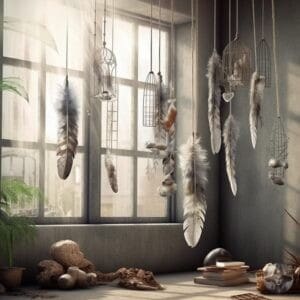
Air: Wind chimes, open windows, feathers, incense smoke, gentle fabrics

Air

Fire: Candles, lamps, stove light, warm colors, spices

Fire

Water: Bowls of water, fountains, shells, driftwood, fish imagery

Water

For transitional spaces, hybrid symbols work beautifully. For instance, hanging plants blend Earth and Air, while floating candles combine Water and Fire.

Bringing Energy into Each Room

Once the elemental foundation is set, it’s time to focus on individual rooms.
Bedroom
Encourage rest and expansion with soft lighting, symbolic colors, or star imagery. Dream catchers and intentional textiles can support both sleep and spiritual reflection.

Bedroom

Bathroom
This is a place of cleansing. Aromatic herbs, affirmations near the mirror, and spiritually meaningful books can turn everyday routines into moments of renewal.

Bathroom

Dining Room
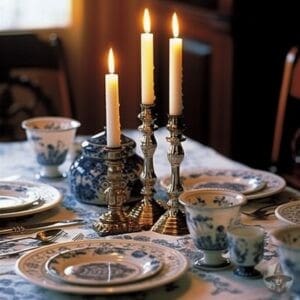
A candle or meaningful centerpiece transforms meals into moments of gratitude. Patterns, colors, and tableware can reflect shared intentions.

Dinning Room

Entryway
First impressions matter energetically. Bells, bowls for offerings or wishes, and protective symbols help set the tone as people enter.

Entryway

Family Room
Focus on harmony and communication. Crystals, symbolic wreaths, or shared art help cultivate warmth and connection.

Family Room

Kitchen
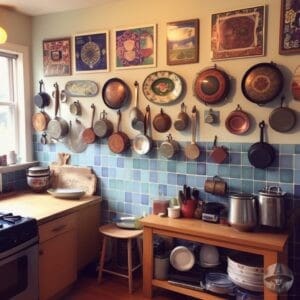
As the modern hearth, the kitchen thrives on symbolism. Photos, meaningful tools, and intentional colors help nourish relationships as well as bodies.

Kitchen

Living Room
Invite light and balance with sun catchers, mirrors, and grounding stones. This space often benefits from a clear energetic flow.

Living Room

Meditation or Quiet Area
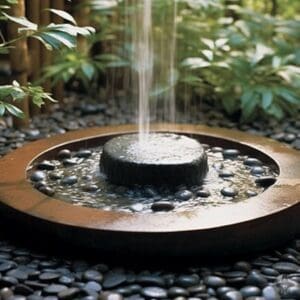
A small fountain, stones, or softly lit objects create a calm focal point for reflection and ritual.

Meditation Area

Recreation Space
Use textures, colors, or imagery that support joy, creativity, and vitality.

Recreation Room

Letting Possibility Lead the Way

Not every idea will fit every home, and that’s perfectly fine. Think of these suggestions as sparks rather than rules. Let them open doors in your imagination.

When you approach your space with intention, even the smallest changes can have a profound effect. Over time, your home begins to feel less like a structure and more like a living companion on your spiritual path.

Cleanse and Protect Your Home: A Witch’s Guide to a Safe Sanctuary

Ensuring that your home feels secure, serene, and positively charged is key to maintaining your own well-being. This sanctuary should radiate peace and ward off any negativity. However, in times when you sense an imbalance, here are some warm, witchy tips to cleanse your haven and reestablish that protective barrier.


Incense Magic:


Let's begin with incense. The delicate wafts of burning incense sticks or cones not only fill your home with beautiful, natural fragrances but also have the power to cleanse and protect your space. We particularly recommend aromatic cinnamon, the mystical frankincense, or the grounding sandalwood. As you watch the smoke rise, imagine it carrying away any residual negativity, leaving behind a space of peace and protection.


Charming Witch Bells:


Witch bells are a charming tool for protection. Hanging small bells on your doors chimes away negative energy and blocks ill-intent. Let these little sentinels sing out against evil spells or hexes and keep your sanctuary secure.


Crystal Guardians:


Crystals are magnificent guardians that are as beautiful as they are potent. Place crystals like the protective black tourmaline, the calming amethyst, the mystic labradorite, or the powerful quartz on your windowsills and by your doors. These crystal allies will not only protect your home but also cleanse the energy of anyone entering your sanctuary.


Magickal Protective Wash:


To create a magickal protective wash, you need spiritual water (like moon water) and protective herbs. Start by placing herbs such as sandalwood, nettle, basil, and rosemary in a large pot. Add the spiritual water, and simmer until the blend is rich in colour and essence. Strain and transfer the infusion into a bowl or bottle. If you wish, you can add your favorite fragrances at this stage. Remember, it might be a good idea to dilute with clean water as certain herbs can leave stains. Use this magickal concoction to cleanse your floors, windowsills, door frames, altar, etc. If your floors are carpeted, transfer the liquid into a spritzer bottle for easy application. This will imbue your home with cleansing and protective energies.


Sigils of Protection:


Once you have your magickal protective wash, you can use it to inscribe sigils onto your door. As you draw these powerful symbols, focus intently on your purpose, trusting in their ability to protect your home.


The Power of Plants:


Lastly, consider inviting the protective energy of plants into your space. Plant protective herbs and flowers in your garden as living shields against negativity. Potted plants placed by doors or on windowsills work perfectly as well. These green companions not only cleanse the energy but also bring in a touch of nature's magic into your home.


Remember, your home is a sacred space, and keeping it cleansed and protected is an act of self-care. Follow these tips and ensure your sanctuary remains a beacon of peace, positivity, and magical energy.

Simple Ways to Add Magick to Your Everyday Life | Everyday Witchcraft Practices

In our busy, modern lives, finding the time for elaborate spells and rituals can sometimes be a challenge. However, it's surprisingly easy to incorporate your craft into your everyday life by making a few simple changes. The ways you can do this are endless – but here are just a few simple ways to add magick to your daily life, providing a constant connection to your craft, even amidst the hustle and bustle of daily routines:

Bless your meals
Before eating, take a moment to express gratitude for your food, and bless it with positive energy. This simple act not only brings magick into your meals but also helps you to be more mindful and present in the moment.


Meditate Meditation
is a powerful tool for grounding yourself and connecting with your inner magick. It can be as simple as taking a few minutes each day to close your eyes and focus on your breath. You can also incorporate visualizations or mantras into your meditation practice.


Useful Link: Witchy Meditations


Incorporate symbols and Sigils

Integrating sigils and symbolic decor into your surroundings. Sigils, an essential part of many witchcraft traditions, are potent symbols that carry specific intentions. You can use them creatively in myriad ways throughout your day to draw in desired energies or outcomes.

One such use could be drawing them with face cream as part of your skincare routine. As you trace these protective or manifesting sigils, you imbue your routine with purpose, transforming it into a ritual. Similarly, inscribing sigils in the steam from your shower not only starts your day with intention but also engages the power of the water element, amplifying your manifestation efforts.

Sigils can also find their way into your kitchen or garden. Stirring them into your food and drinks or sketching them onto your plant pots enriches these everyday activities with magick, aligning them with your intentions. This practice transforms mundane tasks into purposeful rituals, adding a layer of meaning and connection to your craft.

Aside from sigils, another impactful way of bringing magick into your everyday life is through symbolic home decor. Incorporating symbols that resonate with your practice can turn your home into a living altar, amplifying your connection to the spiritual realm. Hanging a pentacle in your living room, for example, can create a protective and empowering energy in your shared space.

Even smaller elements, like cushions bearing symbols significant to your practice, can add a magickal touch. These can serve as reminders of your spiritual path, and their continuous presence can subtly strengthen your intentions and the overall energy of your home.

Integrating sigils and magickal symbols into your daily routine and decor doesn't just add magick to your life; it also infuses your space with your intentions, creating a nurturing, supportive environment that aligns with your spiritual journey.

Useful Link: Magick Home Decor: Transform Your Living Space into a Spiritual Sanctuary


Protect and Cleanse your home

Smoke cleansing, using incense, is one of the most straightforward ways to infuse magick into your daily life, helping you to dispel any stagnant or negative energies that may have accumulated in your home. Start with choosing an incense that resonates with your current state or intention. Some popular choices include sage for general purification, sandalwood for protection, and lavender for tranquillity and peace.

When you perform a smoke cleansing, allow the incense smoke to fill each corner of your home, starting from the room farthest from your main door and moving inward. As you do this, visualize the smoke gathering and eliminating any unwanted energy, leaving your home filled with a clean and harmonious vibration. It's a beautiful and sensory process that not only purifies your space but also gives you a moment of quiet mindfulness in your day.

On the other hand, ringing bells, especially witch bells, is another simple method to cleanse your space. Sound frequencies have the power to break up stagnant energies, allowing them to be cleansed away. So, each time you ring a bell, visualize the sound waves dispersing negativity and creating a protective shield around your home.

Protection spells or rituals are an integral part of witchcraft. You can integrate them into your daily routine to maintain the high vibrational state of your home after a cleanse. Drawing protective sigils on your front door or around window sills is a powerful way of marking your territory and warding off unwanted influences. Sigils can be crafted from your personal intentions and imbued with your energy, making them an effective tool for home protection.

Hanging charms near your entryway is another enchanting way to keep your home safe. These charms could be witch bells, herb sachets, or even crystal amulets, all carrying protective intentions. Position these charms with the belief that they serve as guardians of your space, creating a protective barrier that ensures only positive energy enters your sanctuary.

Whether you're performing a smoke cleanse, ringing bells, crafting sigils, or hanging protective charms, your belief and intent are what drive the magick. By consistently incorporating these practices into your daily routine, you're not only adding magick to your life, but you're also enhancing your connection to your home, making it a truly magickal space.


Useful Link: Cleanse and Protect Your Home: A Witch’s Guide to a Safe Sanctuary

Connect with nature
Take a moment each day to connect with the natural world around you. This could be as simple as taking a walk in the park, gardening, or even just observing the birds outside your window. This helps to align your energy with the earth and is a fundamental aspect of witchcraft.

Useful Link: Connecting with Nature


The beauty of witchcraft is its flexibility and adaptability. It’s not about following strict rules or rituals, but about finding what works for you and fits into your lifestyle. By incorporating these simple practices into your daily routine, you can infuse your life with a little more magick every day. Remember, magick is everywhere, and you can make the most mundane tasks magical with the right intention and focus.

An Intimate Ritual to Ease Anxiety: A Gentle Reminder of Your Inner Strength

We all know the unsettling stirrings of anxiety. Maybe it's a daunting task that lies ahead, an event we're dreading, or a difficult conversation we need to have. There's no need to navigate these moments alone, and these simple spells are here to offer you a moment of calm and restore your confidence.


Please remember, if your anxiety is overwhelming or persistent, reaching out to a mental health professional is a crucial and courageous step. Spells and rituals can play their part in our self-care toolkit, but they aren't substitutes for professional help when it's needed.


Now, let's create our space of tranquility.


Ingredients for your serenity spell:


  • A soothing White Candle
  • The warmth of Coriander
  • The calm of Coltsfoot

Begin by mixing your coriander and coltsfoot, letting their fragrances blend harmoniously. As you do so, hold in your mind your intent and recite this calming spell:


“Anxiety has no hold on me, from over-thinking I am set free, I will not harbor fear and doubt, negativity I cast thee out”


If you think too much social media and digital interactions are causing anxiety, try this one instead.


"Anxiety I release your hold, from digital worries I am bold, I will not surrender to stress or doubt, negativity it's time to log out."


If it is a social interaction that is causing your anxiety, then use this one.


"In the realm of social ties, Anxiety I sever your ties, fear and doubt you're not my guide, in social waves I will smoothly glide."


Afterward, place your white spell candle in a suitable holder and lovingly encircle it with your magical blend.


Once you're ready, light the candle.


As the flame dances, allow yourself to sink into the stillness that accompanies it. Be mindful of your breathing, and let it guide you into a state of calm.


Visualize the best outcomes that bring a sense of relief and happiness. If the shadows of negative thoughts try to creep in, gently push them away and replace them with your desired outcome.


Give yourself a tender, encouraging smile. You're sending positive energy out into the universe; in return, it will send positivity your way. Remember, this is your moment, your ritual, and you're in control. Trust in your strength; you're more powerful than you know.

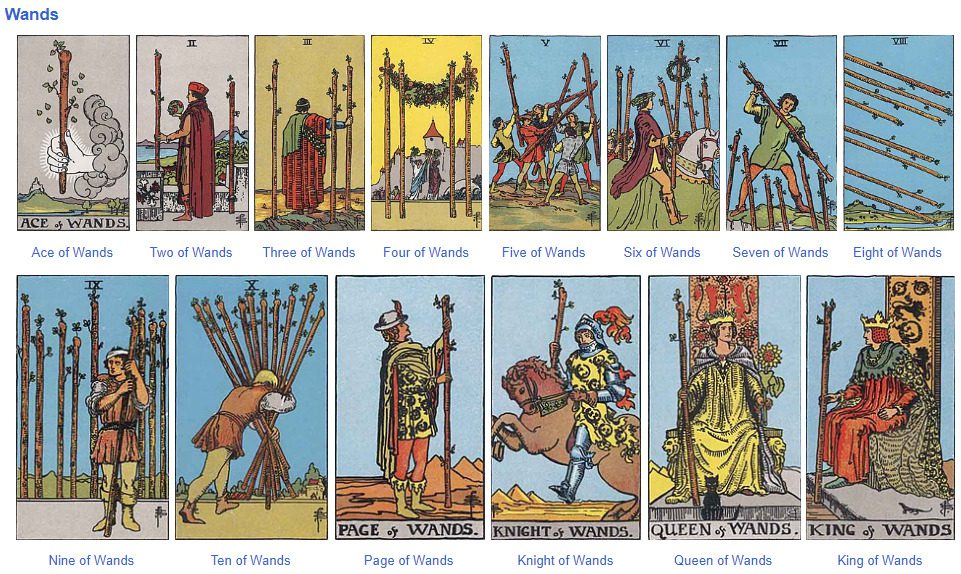
Igniting the Suit of Wands: The Minor Arcana’s Torch of Creative Spirit and Will

Immerse yourself in the energetic and passionate world of the Tarot Wands, a suit that brims with the fiery essence of creation, inspiration, and willpower. As we explore each card from the Ace to the King, you are invited to bask in their enlightening wisdom and warmth, stoking your fascination for the rich symbolism of tarot.


Our adventure begins with the Ace of Wands, a powerful emblem of creation, willpower, and desire. Held upright, it radiates the sparks of inspiration and the birth of creative ventures. When reversed, it warns against potential lack of energy, diminished passion, and the looming shadow of boredom.


Next, the Two of Wands stands for planning and decision-making, reflecting the anticipation of leaving the familiar behind. Turned upside down, it hints at the fear of change, the preference for playing it safe, and the pitfalls of inadequate planning.


The Three of Wands uplifts us with a vision of the future, signifying expansion and rapid growth. But reversed, it echoes the challenges of obstacles, unexpected delays, and the ensuing frustration.


The Four of Wands celebrates the comfort of home, community, and joyful festivities. However, in its reversed position, it warns of a potential lack of support, fleeting harmony, and conflicts brewing in the home.


Progressing, we encounter the Five of Wands, embodying competition, rivalry, and the stirrings of conflict. In its reversed form, it advocates for respecting differences and the wisdom of avoiding unnecessary conflict.


The Six of Wands marches forward in triumphant victory, denoting success and public recognition. Reversed, it hints at the downsides of excess pride, the sting of unacknowledged efforts, and the harshness of public punishment.


The Seven of Wands stands firm in its message of perseverance and maintaining control, even when the situation demands a defensive stance. Yet, reversed, it highlights the struggle when confidence wanes and feelings of being overwhelmed starts to surface.


Swift as the wind, the Eight of Wands rushes in with the momentum of rapid action, quick decisions, and a sense of forward movement. When reversed, however, it advises caution against panic, unnecessary delays, and a slowdown in progress.


The resilient Nine of Wands showcases the strength of grit, embodying the spirit of making a last stand. However, when reversed, it serves as a reminder to assess one's exhaustion levels and question the motivations driving our actions.


The Ten of Wands signifies accomplishment paired with responsibility, sometimes leading to burdens. In its reversed form, it admonishes against the inability to delegate, the pitfalls of stress, and the risk of burning out.


In the court of Wands, we meet the explorative Page, the fearless Knight, the determined Queen, and the visionary King. These figures, in their upright and reversed forms, highlight the themes of adventure, recklessness, courage, and leadership, while cautioning against impulsiveness, conflict, and unachievable expectations.


As we conclude our voyage through the suit of Wands, remember, dear reader, that these cards are not simply predictors of destiny, but guides to personal growth and self-understanding. They inspire us to ignite our creative spirit, face challenges with courage, and celebrate our victories with joy. Let the suit of Wands serve as your torch, illuminating your path, and inspiring you to harness your passions and turn them into reality. After all, the journey through the Wands, like our own life's journey, is an exciting adventure of discovery, transformation, and

Earth Elemental Oil

Embrace the serene energy of Mother Earth with our inviting Earth Elemental Oil, a nurturing blend created to spark your inner wisdom and encourage your personal growth journey. This welcoming potion is designed with the intent to bring prosperity, stability, and an undeniable sense of belonging right into your space.


Earth Elemental Oil dances in harmony with the astrological earth signs: Taurus, Virgo, and Capricorn. It helps to draw out and enhance your earth sign characteristics such as practicality, steadfastness, and an irresistible sensuality. But not to worry if you're an Air sign of Gemini, Libra, or Aquarius – this oil can help ground and center you, providing a sense of calm and stability.


Infused with earth-associated herbs like the deeply calming vetivert, invigorating cypress, nutrient-rich alfalfa, strengthening horsetail, and soothing patchouli, our Earth Elemental Oil welcomes anyone seeking a sense of abundance, growth, discipline, and stability, or simply desiring a closer connection to our home – the earth.

Here is the basic recipe.


  • 1/8 cup of base oil (like Jojoba)
  • 4 drops Patchouly
  • 4 drops Cypress

The magic of Earth Elemental Oil unfolds in many ways:


  • Spark your inner wisdom and enhance personal growth while enjoying a sense of grounding and stability.
  • Amplify rituals and spells aimed at abundance, love, fertility, family matters, and productivity.
  • Encourage a greater embrace of your own sensuality and sensitivity.
  • Foster discipline, endurance, focus, and the creation of firm foundations.

With this inviting blend, the power of Earth is at your fingertips. Feel free to anoint your sacred objects or talismans or use it as a wash for your furniture and doors. You can create a special mixture with sea salt or Kosher salt, placing it around your home or office where you desire abundance or stability.


If you're feeling a little adrift or unsettled, we suggest placing this blend under your bed at night for seven days. Feel yourself grounded, your worries melting away as you align with the stability of Earth.


And don't forget the color magic! In candle spells or rituals, feel the grounding energy of earth as you call upon the colors of green and brown, the hues so often associated with our wonderful earth element.


Whether you're a steadfast Taurus, a pragmatic Virgo, a disciplined Capricorn, or someone drawn to the grounding energy of the Earth, Earth Elemental Oil is here to enhance your elemental journey. Warm, inviting, and nurturing, this blend is your ally in harnessing the power of Earth to inspire prosperity, growth, and stability.


Please remember to use this product for its intended spiritual purpose, and do not apply undiluted to the skin or ingest. Enjoy the journey of self-discovery with our Earth Elemental Oil!

Understanding Wicca, Witchcraft, and Paganism: A Guided Journey

As you dip your toes into the enchanting world of magical living and modern Paganism, you'll frequently stumble upon the words 'witch', 'Wiccan', and 'Pagan'. Each carries its own story, its unique whisper in the grand symphony of spirituality. Their shared notes create a harmony, yet they each sing their own distinct melody. Just like a mother teaching her child the nuances of language, let's uncover the subtle differences and beautiful connections between these three terms.


Wicca, often seen as a tradition of Witchcraft, was introduced to the world in the 1950s by a man named Gerald Gardner. Today, it stands like an old tree in the forest of Paganism, with its roots deep in tradition and its branches reaching out to modern seekers. While some debate if Wicca is a true reflection of the ancient practices of Witchcraft, many use Wicca and Witchcraft as synonymous terms. Yet, the world of Paganism, much like a mother's embrace, is wide enough to hold more than just Wicca.


Not all witches identify as Wiccans, some align with Paganism, while others prefer entirely different labels. Just as in a garden, where not all flowers are roses, not all Pagans are Wiccans. The term “Pagan”, originally used to describe country folks, came to symbolize those who clung to their old religions as Christianity blossomed.

Remember, the term "Paganism" acts as a gentle umbrella, sheltering various traditions under its broad canopy. Each group blossoms in its own way, with its unique practices and beliefs. Thus, any general statements about Wiccans and Pagans should be seen as an overview, rather than an exact reflection of every tradition.


Are you a seeker of knowledge, drawn to the allure of the Pagan movement? Or perhaps a parent trying to understand a child's spiritual quest? Or maybe you're simply yearning for a spiritual path that feels like a homecoming? For many, an earth-based spirituality feels like a soft, familiar blanket, a return to a source of profound comfort and solace. For others, it’s an exploration, a trek into the new and the exciting.


When Gerald Gardner brought Wicca into the public eye in the 1950s, he sparked a flame that many modern Pagans warmed themselves by. However, many witches and Pagans preferred to keep their spiritual fires burning without transitioning to Wicca.


In essence, “Pagan” shelters various spiritual belief systems beneath its branches, with Wicca being just one of many. Just as Christianity sprouts into Lutheran, Methodist, or Jehovah’s Witness, Paganism blooms into Wiccan, Asatru, Dianic, or Eclectic Witchcraft.


In the magical spectrum, you'll also find Christian witches who intertwine their belief in the Christian god with a Wiccan goddess, practitioners of Jewish mysticism or "Jewitchery", and even atheist witches who wield magic without following a deity.


Let's also discuss magic. Witchcraft, for some, is seen as a skill set, separate from spirituality, painting a picture where one doesn't need to engage with the Divine to be a witch. However, for others, Witchcraft is more than a set of skills, it’s a religion, a way to connect with the gods of their chosen traditions through the canvas of magic and ritual.


Imagine magic as the music of the universe and witches, its musicians. Some choose to play this music in the orchestra of Wicca or Paganism, while others compose their own solo performances. Often, you'll hear of "eclectic Witches", individuals who craft their own unique blend of witchcraft, gathering wisdom and rituals from various sources. They approach magic as a skill set, a toolbox of sorts that can be used independently of their spiritual beliefs. Simply put, one doesn't have to be in harmony with the Divine to play the music of witchcraft.


Conversely, many perceive Witchcraft as not merely a skill but an all-encompassing spiritual path. A way of life that weaves magic and ritual into a sacred tapestry, bringing them closer to the gods of their traditions. If you feel the call to see your practice of witchcraft as a religion, you're free to do so – or if you prefer to treat it as a skill set, separate from your religious beliefs, that's perfectly fine too.


As we explore this captivating world together, remember, like a mother's love, the world of Paganism and Witchcraft is vast, diverse, and accepting. There is room for you, regardless of how you identify or choose to express your spirituality. Whether you're a Wiccan, a witch, a Pagan, a combination of these, or none of them, your path is valid.


So, whether you are a seasoned practitioner seeking to expand your knowledge or a novice just stepping on the path, this journey into the enchanting realms of Wicca, Witchcraft, and Paganism promises to be as enlightening as it is intriguing. Perhaps you've already found your spiritual home, or perhaps you're still seeking. Either way, know that your quest for understanding and connection is a beautiful testament to the human spirit's enduring curiosity.


In this journey of discovery and understanding, each step brings us closer to the heart of these spiritual paths, revealing the warmth, the mystery, and the magic that lie within. Let this be a gentle guide, a beacon, as you navigate your way, just as a mother tenderly guides her child into the grand adventure that is life. And remember, no matter which path you walk, the journey itself is the destination. Happy exploring!

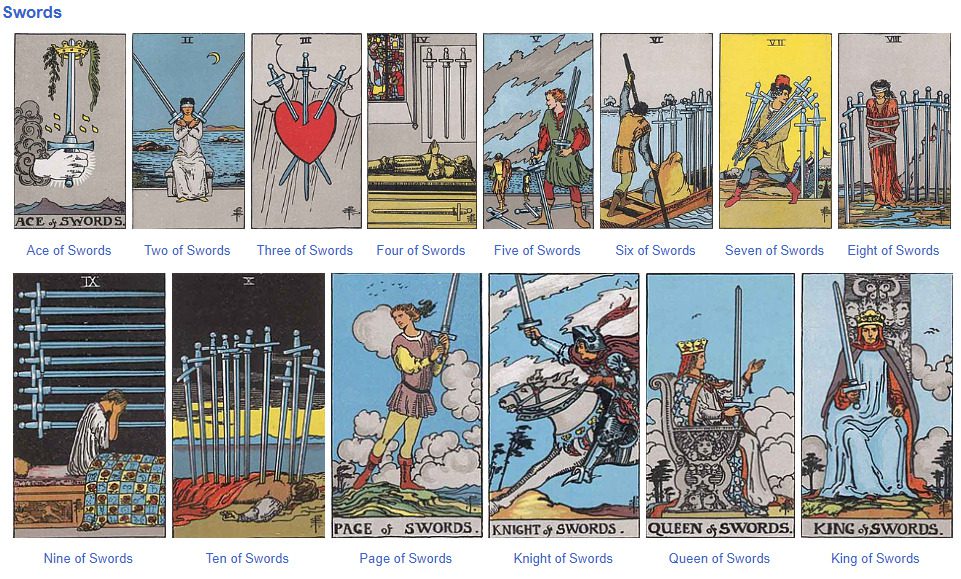
Unsheathing the Suit of Swords: The Minor Arcana’s Beacon of Intellectual Insight

Enter the sharp and insightful realm of the Tarot Swords, the suit symbolizing the power of the mind and the realm of intellect. As we unravel the meanings of each card, we invite you to grasp their profound messages, stimulating your curiosity and instilling a deeper understanding of the intricate world of tarot.


Our journey commences with the Ace of Swords, representing a breakthrough, clarity, and a sharp mind. When it soars skyward, it heralds clear thinking and intellectual power, but when it plunges into reverse, it warns of confusion, brutality, and chaos.


Next, we meet the Two of Swords, an emblem of difficult choices and indecision, much like a stalemate in a game of chess. Yet, when reversed, it speaks of situations where there might be no perfect choice, echoing the complexities of life decisions.


The Three of Swords pierces the air with its poignant message of heartbreak, suffering, and grief. But fear not, for when reversed, it offers a hopeful whisper of recovery, forgiveness, and the strength to move on.


The tranquil Four of Swords beseeches us to embrace rest, restoration, and contemplation. Flipped, however, it serves as a cautionary signal of restlessness, potential burnout, and stress, urging us to prioritize self-care.


Moving forward, the Five of Swords confronts us with unbridled ambition and the desire to win at all costs. Turned upside down, it nudges towards a desire to reconcile and the power of forgiveness.


As we glide on to the Six of Swords, we are introduced to the themes of transition and moving on, reminding us of the necessity to occasionally leave things behind. In reverse, it highlights the weight of emotional baggage and the difficulty of resisting necessary transitions.


The Seven of Swords strides in with an air of deception and trickery, urging us to consider our tactics and strategies carefully. When reversed, it can indicate a time to come clean or to rethink our approach.


The Eight of Swords captures a moment of self-imposed imprisonment and entrapment. Yet, flipped, it provides a promise of self-acceptance, a fresh perspective, and newfound freedom.


Further along, the Nine of Swords paints a somber picture of anxiety, hopelessness, and trauma. In its reversed form, though, it's a beacon of hope, encouraging us to reach out and confront despair.


The Ten of Swords is a stern reminder of life's hardships, embodying failure, collapse, and defeat. Yet, when reversed, it signals a reassuring message that things can't get worse and the only way is upwards.


In the court of Swords, we meet the youthful Page, the impulsive Knight, the perceptively complex Queen, and the disciplined King. The upright Page sparks curiosity and mental energy while the Knight valiantly defends beliefs. The Queen, in her wisdom, advocates clear-mindedness, and the King prioritizes truth. Reversed, these figures serve as warnings against deception, unpredictability, bitterness, and weakness.


As our exploration of the Swords concludes, remember, dear reader, that these cards serve not as predictors of destiny, but as tools for personal growth. They challenge us to wield our mental faculties wisely, to balance ambition with compassion, and to embrace change with grace and resilience. Let the Swords' wisdom cut through confusion, illuminate your path, and inspire you to create a life of intellectual richness and clarity. After all, the journey through the Swords, much like our own life's journey, is a quest towards understanding, awareness, and personal evolution.

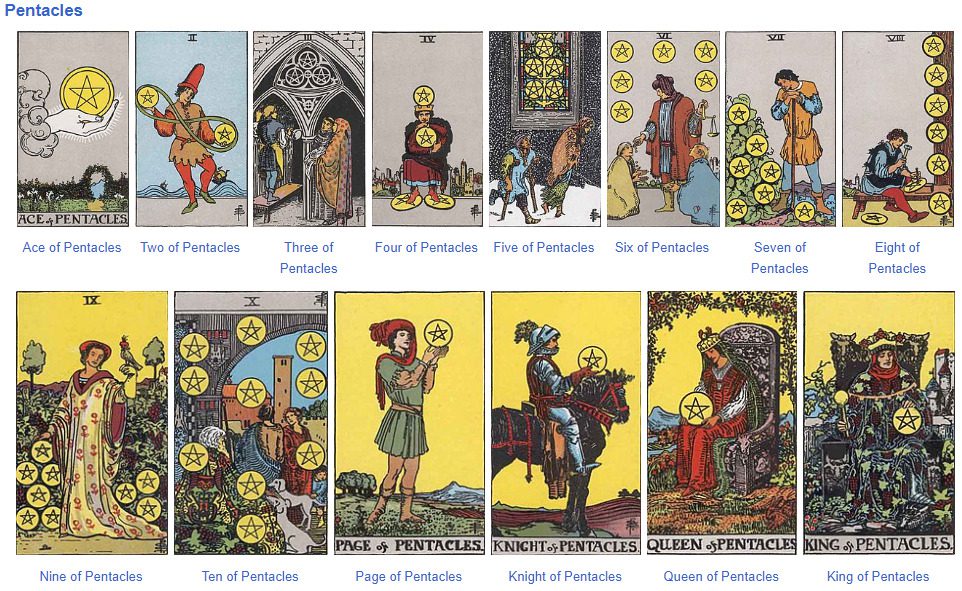
Journey Through the Suit of Pentacles: The Minor Arcana’s Guide to Material Wisdom

Step into the beguiling world of the tarot, my dear reader, where we embark on a journey of discovery. The path today leads us through the realm of Pentacles, often tied to the material aspects of life such as work, money, and practical affairs. As we traverse through each card, remember that they are rich with symbolism and wisdom, inviting you to delve deeper into their mystic meanings.


We commence our journey with the Ace of Pentacles, a card shimmering with promise and potential. Upright, it hints at the prospect of new ventures and prosperity, like the first sprouts of green in the spring. In reverse, however, it is a symbol of missed opportunities, a reminder to tread carefully with your investments.


Next, we encounter the Two of Pentacles, representing a dance of decision-making and balance. This card teaches us to adapt to change and set our priorities straight. But when reversed, it depicts a loss of balance, suggesting disorganization that can leave one feeling overwhelmed.


The Three of Pentacles invites us to appreciate the power of teamwork and collaboration. Upright, it implies building something substantial together. However, when reversed, it warns of disorganization and potential group conflicts, a reminder of the importance of unity in any endeavor.


The Four of Pentacles uphold the virtues of conservation and security, encouraging frugality. Yet, reversed, it reveals a cautionary tale of greed, stinginess, and possessiveness, shedding light on the dangers of an overly guarded nature.


Halfway through our journey, we meet the Five of Pentacles, a stark portrayal of need and insecurity. In its reversed position, however, it speaks of recovery and the power of charity to improve circumstances.


The Six of Pentacles illustrates the act of giving and sharing. Yet, when reversed, it shows the darker side of generosity - manipulation and power imbalance, prompting us to question the true motives behind the giving hand.


With the Seven of Pentacles, we find ourselves rewarded for diligence and perseverance, a testament to hard work. Reversed, it brings attention to distractions that yield no results, encouraging us to refocus our efforts.


The Eight of Pentacles echoes the importance of passion and high standards. When flipped, it signifies a lack of motivation, urging us to reignite our spark and strive for excellence.


The Nine of Pentacles stands as a beacon of luxury and reward. Yet, reversed, it's a warning against reckless spending and living beyond one's means, a reminder of the transient nature of material success.


Onward, we find the Ten of Pentacles, symbolizing a sense of culmination, a legacy to cherish. However, in its reversed form, it hints at fleeting success and instability, a reminder to value sustainable prosperity.


We then meet the youthful figures of the Page and Knight of Pentacles, embodiments of ambition and diligence, efficiency and responsibility, respectively. Yet when reversed, they warn against laziness and obsessiveness, illustrating the balance needed in all pursuits.


Finally, we reach the court of the Queen and King of Pentacles, paragons of practicality, comfort, abundance, and prosperity. Yet, these figures also have their shadows. Reversed, the Queen speaks of jealousy and smothering, while the King cautions against excessive indulgence.


As our exploration of the Pentacles comes to a close, we hope you leave with a heightened understanding of their intricate messages. Each card offers a mirror, reflecting both our triumphs and trials in the earthly realm. Whether a missed chance or a successful venture, the Pentacles' wisdom guides us, reminding us of the delicate balance needed in our everyday lives.


Divination Cards that I use

Embarking on the journey of self-discovery with divination cards, be they tarot, oracle, or others, can seem like stepping into an enchanting yet bewildering maze. Don't fret; once you grasp the basics, you'll find this a fascinating trek filled with revelations and personal growth.

Picture a tarot deck, the classic map for this mysterious landscape. Rooted in centuries of symbolic tradition, a tarot deck is a structured system with 78 cards divided into the Major and Minor Arcana. The Major Arcana's 22 cards embody life's karmic and spiritual lessons, like the Wheel of Fortune symbolizing cyclical changes or the Empress denoting motherhood and fertility. Meanwhile, the Minor Arcana's 56 cards reflect our daily trials and tribulations, further divided into four suits: Cups, Wands, Pentacles, and Swords, each representing a different facet of life.

Oracle cards, on the other hand, are like free-spirited cousins of tarot. They lack the rigid structure of tarot, with deck sizes varying widely, some even exceeding the standard 78 cards. What they offer is an intuitive and highly personalized approach. Each oracle deck is unique, reflecting the creator's vision, making them excellent tools for specific queries or diving into the nuances of your subconscious. From angel oracle cards offering divine guidance to animal spirit oracle decks revealing natural wisdom, the diversity here is truly astounding.

Beyond these, the world of divination boasts other intriguing methods, each with its unique allure. Runes, for instance, are ancient alphabetic symbols that double as divination tools, while I-Ching, or the Book of Changes, uses yin and yang duality concepts to explore life's uncertainties.

Whether you're drawn towards the structured narrative of tarot, the intuitive fluidity of oracle cards, or the ancient wisdom of other divination methods, remember - these tools are mirrors, not crystal balls. They reflect your inner realities and potentials, guiding you towards greater self-awareness and understanding. The true magic lies not in the cards or runes themselves but in your connection with them. Trust your intuition, open your mind, and let the journey begin.

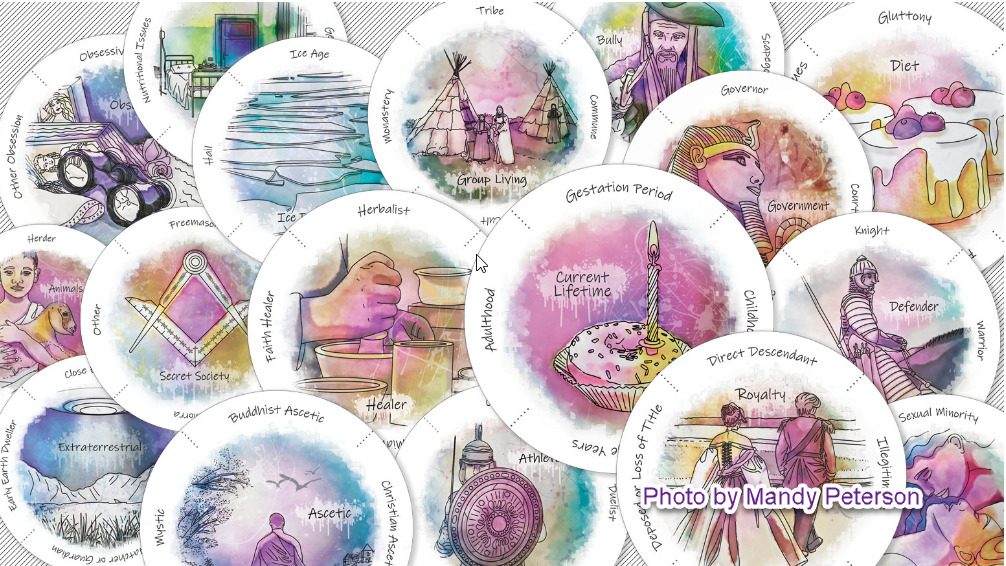
One remarkable example of the intuitive fluidity of oracle decks is the Uncover Your Past Lives Oracle cards by Mandy Peterson. This unique deck taps into the realm of reincarnation and past lives, facilitating a deeper understanding of current life patterns, behaviors, and relationships. Each card in this deck serves as a window into past life experiences, offering insightful guidance on how these influences may be shaping your present journey.Mandy Peterson's oracle deck bridges the gap between the metaphysical and the psychological, helping us understand our soul's evolution over time. It's not about predicting the future; instead, these cards shed light on our spiritual continuity, revealing how past lives inform our present choices and future potential. Utilizing this deck can assist in identifying and resolving past life traumas, allowing for healing and growth in the current life. Whether you're new to the concept of past lives or a seasoned explorer of reincarnation, Peterson's Uncover Your Past Lives Oracle cards offer a fascinating tool for self-discovery and personal transformation.

I'm not sponsored or indorsed by Mandy Peterson, I just like her deck. Visit her website for more information: https://mysticmandy.com/ehpublishing/uypl/ Also, be aware that there are counterfeit copies of her deck, which is sad. She sells on her site and Etsy. It's easy to tell the difference in the quality and appearance. Her deck has purple edging and clear graphics, while the fakes do not. The official deck comes with a wonderful 180 page printed book, the fakes do not.

Snag_308076ed
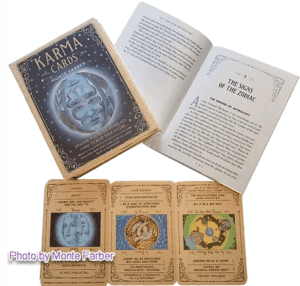
The Karma Cards by Monte Farber offer an innovative fusion of astrology and tarot, creating an intuitive tool for self-exploration and decision-making. These cards are a profound device for anyone seeking to peer into the different areas of life such as love, career, and finances, offering guidance and potential solutions.

What sets Karma Cards apart is their unique integration of our "Higher Self" – the part of us that knowingly selects life experiences to unearth our fullest potential. They serve as a bridge to this higher consciousness, facilitating a deeper understanding of our life's trajectory and our role in shaping it.

The Karma Cards operate through a trinity system involving Planet, Sign, and House cards. You shuffle and lay out these cards side by side, reading across the red or blue panels. This ingenious arrangement provides a rich tapestry of insights spread across three dimensions: spiritual, mental, and physical.

The set includes 36 vibrant, full-color cards, each bearing its distinctive symbolism tied to astrological concepts. Complementing the cards is a comprehensive 96-page instruction book detailing effective ways to center yourself, visualize your concerns, and phrase your queries. The book enhances the usability of the cards, ensuring that both beginners and seasoned users can tap into the deck's wisdom.
Snag_3090049e
The Elemental Wisdom Tarot, created by Taroteca Studio, is a sublime fusion of classic tarot traditions and distinctive artistic styles. This deck is a radiant manifestation of the Rider-Waite guide, making it an accessible tool for beginners and seasoned tarot enthusiasts alike. Every card is a vivid tableau of color, teeming with detail and narrative dynamism.

The enchanting artwork is a unique blend of Renaissance aesthetics and modern fantasy elements. Each card, such as The Magician, pulses with life, capturing the essence of action, not merely as a static snapshot but as a fluid, ongoing process. The Empress shines with a divine light, her aura exuding grace and power that captures the viewer's attention. The Queen of Cups is another masterpiece within the deck, showcasing intricate artistry that could keep you captivated for hours.

A tangible testament to the labor of love and dedication invested in its creation, the Elemental Wisdom Tarot resonates with authenticity and artistic excellence. It goes beyond being a mere divination tool or collector's item – it's an experience, a journey of exploration that speaks to your intuition.

Faithful to the traditional Rider-Waite-Smith tradition, the Elemental Wisdom Tarot maintains its grounding in time-honored tarot principles while weaving in its unique narrative and artistic threads. This deck is more than just a tarot set; it's a gateway to intuitive insights, offering a fresh perspective on tarot reading through its beautifully realized, timeless artwork.
Snag_309d11ae

Exploring the Suit of Cups: The Minor Arcana’s Emotional Compass

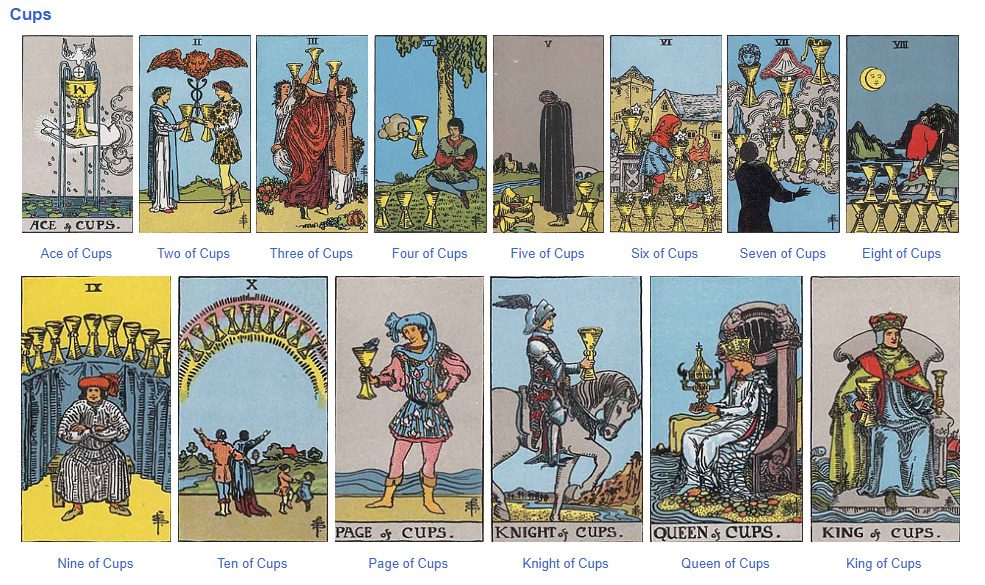
The Suit of Cups is a significant part of the Tarot's Minor Arcana, and its presence in a reading often points to issues of emotion, relationships, intuition, and the subconscious. As with the nature of water, which the Cups represent, this suit's cards flow with the currents of love, feelings, and emotional perspectives, offering insight into how we connect with others and relate to our innermost feelings.

Ace of Cups: The Ace, the suit's origin point, represents the potential for great emotional or spiritual fulfillment. It often signals a surge of new feelings—love, empathy, compassion—or the start of a spiritual journey that’s deeply personal and uplifting.

Two of Cups: Signifying a mutual attraction or bond, the Two of Cups often refers to a strong partnership, be it in love, friendship, or even business. This card represents the harmony and mutual understanding that comes when two become one.

Three of Cups: This card is a celebration of friendship, community, and social gatherings. It reflects joy, friendly camaraderie, and mutual support and can indicate a time of happiness and sharing in various aspects of life.

Four of Cups: The Four of Cups is a sign of introspection and a need to reevaluate your situation. Discontentment, boredom, or disappointment may cause you to withdraw. However, it's essential to acknowledge this as a period for contemplation and introspection.

Five of Cups: This card is one of grief and disappointment, signaling a time of loss or regret. Yet, while it may seem as though all is lost, the Five of Cups suggests that not everything has been squandered. It's a reminder to acknowledge your grief, then look around and see what remains.

Six of Cups: The Six of Cups is a nostalgic card that symbolizes a look back at what was and the joy of returning to familiar places or reuniting with old friends. It suggests a comforting link to the past and the innocence and joy that come with revisiting old memories.

Seven of Cups: The Seven of Cups presents many choices and opportunities, but these may not be what they appear to be. This card urges caution against illusions and unrealistic dreams and instead calls for a clear and focused decision.

Eight of Cups: This card symbolizes a brave decision to leave behind what no longer serves you, even if it's emotionally difficult. It's a card of transition and change, suggesting personal growth and the search for a deeper purpose.

Nine of Cups: Often known as the "wish card", the Nine of Cups signifies contentment, satisfaction, and gratitude. It points to a period of emotional stability and abundance, suggesting that now is a time for enjoying the fruits of your labor.

Ten of Cups: Representing the ultimate emotional fulfillment, the Ten of Cups signifies joy, peace, and a loving family environment. It speaks of an alignment of personal values and relationships and the realization of personal dreams filled with spiritual love and happiness.

Remember, the Suit of Cups encourages us to explore our emotional landscape and embrace the lessons of our relationships, helping us navigate the ebb and flow of our emotional tides.

The Woven Stories of Tarot: A Journey into Meaning, Elements, Numerology, and Spreads

Welcome to the Magical World of Tarot!


Welcome, dear beginners, to the mesmerizing world of tarot. This is an enchanting realm where self-discovery meets a profound connection with the universe. Think of tarot reading as a warm, inviting conversation with your higher self, a dialogue delicately woven with mystic symbols and deep-seated messages. While the cards themselves may hold an air of magic, remember that the true enchantment lies within you - in your own intuition. As you stand at the threshold of this extraordinary journey, Tarot for Beginners, always remember to trust in your inner voice. Let it be your compass, guiding you to translate the whispers of the tarot into personal insights and wisdom. Welcome aboard this magical ride and enjoy every moment of discovery it has to offer.


Setting the Stage for Your Tarot Journey


Your tarot reading journey begins with setting a sacred space, a sanctuary that resonates with your spirit. It could be as simple as arranging a cherished blanket, lighting a few candles, or surrounding yourself with your favorite crystals. This ritual is like inviting the energy of the universe to join you, strengthening the bond between you and your cards.


Connecting with Your Cards


With your sanctuary set and your cards ready, take a deep breath, hold your cards close, and tune into your energy. Embrace the feelings and thoughts surfacing within you, and let them guide your question to the cards. Whether it's a query about life's current lessons or your next significant step, ensure it comes from a place of sincere curiosity.


Understanding Your Tarot Deck


Your tarot deck, comprising 78 vibrant cards, is divided into two sections: The Major Arcana and the Minor Arcana. The Major Arcana's 22 cards symbolize significant life events and spiritual milestones, while the Minor Arcana's 56 cards mirror our daily feelings, thoughts, and experiences. Each card, whether from the Major or Minor Arcana, is an essential thread in the vibrant tapestry of your life's story.


Unveiling the Power of Numbers in Tarot


Each card carries a unique energy, thanks to the world of numerology. From the Aces (ones) symbolizing beginnings to the tens representing completion, each number offers a new layer of insight, further enriching your reading.


Creating Your Tarot Spreads


A tarot spread refers to the pattern in which you lay out your cards. The spread can be as simple or as complex as you choose, depending on the depth of insight you seek. Whether it's the three-card Past-Present-Future, the seven-card Horseshoe, or the ten-card Celtic Cross, remember to let your intuition guide your choice.


The World of Tarot: A Mirror to Your Inner Self


Ultimately, the world of tarot is a mirror reflecting your inner world, offering guidance, clarity, and empowerment. It doesn't predict your future but helps you make conscious decisions based on a deeper understanding of your present circumstances. So, breathe in, shuffle your cards, and step into this magical labyrinth of symbolic wisdom. Trust in the magic within you, and enjoy the mesmerizing dance with the divine!


Diving Deeper into Tarot Spreads


Tarot spreads add structure and depth to your reading, providing specific context to each card. From the popular 'Past-Present-Future' spread to the 'Mind-Body-Spirit', 'Situation-Obstacle-Advice', or 'You-Your Path-Your Potential' spreads, each offers unique insights and perspectives. The beauty of tarot spreads is their adaptability. You can create your own spread, setting an intention for each card position, and letting your intuition guide you. Whether it's an open-ended query like, "What message wishes to come through for me today?" or a more focused question, trust in your intuition to lead the way.


Interpreting the Threads of Your Tarot Story


Once your spread is laid out, it's time to interpret the cards. Each tarot card is a miniature universe, its unique symbols, elemental energies, and numerology adding depth and meaning to your reading.


In the Minor Arcana, the four suits represent the classic elements of Earth, Air, Fire, and Water. Cups, associated with Water, delve into the realm of emotions, creativity, and relationships. Pentacles, symbolizing Earth, speak of material wealth, career paths, and tangible manifestations. Swords, akin to Air, shed light on thoughts, communication, and challenges. Lastly, Wands, imbued with Fire, ignite our spiritual endeavors with inspiration, energy, and enthusiasm.


In addition to these elemental symbols, each card's numerical value enriches its meaning. From '1', signifying new beginnings, to '10', indicating the completion of a cycle, numerology adds a new dimension to your tarot reading.


With more complex narratives, the Major Arcana also reverberate with numerological energies. For instance, the number '13' symbolizes chaos, but when broken down into '4' (1+3), it signifies foundation and stability, embodying the transformative nature of tarot.


Unveiling the Symbols in Tarot


Each tarot card is a canvas of symbols. From jagged mountains hinting at looming challenges to tempestuous seas mirroring emotional turbulence, these symbols add another layer of depth to your understanding. As you explore each card, let these symbols tell their stories, guiding you on your path to self-discovery.


In conclusion, the world of tarot is a magical labyrinth full of symbolic wisdom, inviting you to delve deeper into your own intuition. So, embrace this extraordinary journey with open arms and an open heart. Immerse yourself in the enchantment, and watch as the mysteries of the tarot come alive. Enjoy every step of this divine dance with the universe!

Unravel the Art of Crafting Magical Oils and Potions

Hello dear readers! Welcome to an insightful journey into the world of crafting magical potions and oils. Today, let's unravel the art of measuring and mixing with finesse and intuition. Measuring ingredients may seem like a science, but blending oils is also an art that channels your inner mojo. So, don't fret if you find recipes with varying units such as drops, pinches, cups, and liters. Embrace the “part” method to harmonize your potions and oils into symphonies of scents and energies.

For the recipes in this article, the standard bottle used is a one-dram bottle. That's equal to ⅛ of an ounce or 1.77 grams. It’s a dainty little container, but believe me, it’s perfect. Colored glass bottles are ideal - amber, cobalt blue, or green. These bottles are like shades for oils; they don’t allow light in. It’s common knowledge amongst potion aficionados that light and heat are no friends to oils. So, colored glass it is! Keep them in a cool, dark place or even refrigerate.

Now, let's talk about “parts.” The brilliance of parts is that they're relative. A part could be a teaspoon, a cup, or a bucket. So, whether you’re making a dram, an ounce, or a gallon, it's about ratios. As you mix, your kitchen might just feel like a lab, with you as the alchemist! You’ll need glass eyedroppers for precision. A dozen should be a good start. Clean them by soaking in isopropyl alcohol and let them air dry. A Pyrex measuring cup will be your trusty sidekick for larger quantities. Please, no plastic. Oils have appetites and will gnaw through plastic.

When recipes say “a few drops,” use an eyedropper. When crafting oils for yourself, don’t hesitate to let your intuition guide you. It’s your personal potion; make it something that resonates with your soul. Keep in mind, though, that memory is not as ironclad as I'd like it to be. Write everything down – moon phase, day, time, and ingredients. Trust me; you’ll be glad you did.

Now, how about adding herbs and gemstones? It’s like inviting earth’s vitality into your potion. A dash of herbs or a tiny gemstone can bring an extra touch of magic. And while you're at it, experiment with fragrance oils. They're pocket-friendly and a great way to practice before venturing into essential oils.

Speaking of essential oils, using a carrier oil is highly recommended. It’s like a congenial host that blends beautifully with other oils, enhancing their properties.

There are several reasons why certain essential oils should not be used due to their potential harmful effects. Below is a detailed explanation of why the listed essential oils should be avoided:

  1. Bitter Almond: Contains amygdalin, which breaks down into cyanide when ingested. It is highly toxic and can cause breathing problems, seizures, and even death.

  2. Sassafras: Contains safrole, a compound that has been linked to cancer. The FDA banned the use of sassafras oil as a food additive or flavoring due to its carcinogenic properties.

  3. Boldo Leaf: Can be highly toxic to the liver and kidneys, and can also cause convulsions and coma in high doses.

  4. Savin: Contains toxic compounds that can cause irritation to the skin and mucous membranes, and can be fatal if ingested.

  5. Calamus: Contains beta-asarone, which is considered carcinogenic. It's been banned in the US as a food additive and is not recommended for use on the skin.

  6. Southernwood: Little is known about the safety of this oil, but it is considered potentially toxic and can cause severe irritation.

  7. Horseradish: The oil is very strong and can cause severe irritation to the skin and mucous membranes. It should be used with extreme caution and never ingested.

  8. Tansy: Contains thujone, which is toxic to the brain and nervous system. It can cause seizures and liver damage.

  9. Jaborandi Leaf: Contains pilocarpine, which can be toxic in large amounts. It can cause sweating, salivation, nausea, and even respiratory failure.

  10. Thuja: Contains thujone, which can be toxic to the brain and nervous system. Like Tansy, it can cause seizures and liver damage.

  11. Mugwort: Can be toxic in large amounts and is an abortifacient, meaning it can cause miscarriages.

  12. Wintergreen: Contains high amounts of methyl salicylate, which is similar to aspirin and can be toxic in high doses. It can cause ringing in the ears, nausea, vomiting, confusion, and even death.

  13. Mustard: This oil can be highly irritating to the skin and mucous membranes and can cause blistering.

  14. Wormseed: Can be highly toxic to the liver and kidneys and can cause seizures and death in high doses.

  15. Pennyroyal: Contains pulegone, which is toxic to the liver and can also cause seizures. It is also an abortifacient and can be deadly in high doses.

  16. Wormwood: Contains thujone, and like Tansy and Thuja, it can be toxic to the brain and nervous system.

  17. Rue: Can be highly irritating to the skin and mucous membranes. It can also cause photosensitivity and is toxic in high doses.

  18. Yellow Camphor: This should not be confused with white camphor which is used in medicinal products. Yellow camphor oil is toxic and can cause respiratory distress, seizures, and death.


Before we wrap up, a word of caution, essential oils are potent extracts from plants and can have significant effects on the body. Never ingest them; always consult a licensed aromatherapist or healthcare professional before use, especially if you have underlying health conditions or are pregnant. For those with sensitive skin, it’s essential to perform a patch test. Some oils can make your skin more sensitive to sunlight, so avoiding sun exposure after application is best. Moreover, pregnant and breastfeeding individuals should be particularly cautious, as certain oils can be harmful.


Updated Precautionary Safety Notes:

• Essential oils are highly concentrated and can have various effects on the body. They should be handled with care and respect.

Never ingest essential oils, as they can be toxic and harmful when taken orally. Some oils, like bitter almond, contain compounds that can convert into cyanide in the body.

• Before using essential oils, especially for individuals with epilepsy, heart disease, high blood pressure, or other health conditions, it’s imperative to consult a licensed aromatherapist or healthcare professional.

• Essential oils should be used sparingly and with caution on children. They are generally not recommended for infants and should only be used therapeutically and in diluted form on young children under expert guidance.

Always dilute essential oils with a carrier oil before applying them to the skin. This minimizes the risk of skin irritation and sensitization.

• Conduct a patch test by applying a small amount of diluted essential oil to the inside of your elbow and waiting for 24 hours to see if any reaction occurs.

• Keep essential oils away from eyes and ears as they can cause irritation and be harmful in these sensitive areas.

• Be aware of photosensitivity with certain oils, especially citrus oils and Angelica. These oils can make the skin more sensitive to sunlight, which can lead to burns or rashes.

• Pregnant and breastfeeding individuals should exercise extreme caution. Some oils, like pennyroyal and mugwort, can cause contractions and are potentially harmful to both the mother and unborn child.

• Certain essential oils, such as wintergreen, mustard, and sassafras, should be avoided altogether due to their high toxicity levels or potential carcinogenic properties.

• Always store essential oils out of reach of children and pets and ensure they are properly sealed to maintain their properties.

Educate yourself and be informed. Understanding the properties, benefits, and potential risks of essential oils is crucial for safe and effective use.


Thank you for joining me on this enlightening journey into the heart of measuring and blending oils. Making your own oils can be an incredibly fun and beneficial experience. It allows you to unleash your creativity and tailor the blends to your personal preferences and needs.

Please don’t be daunted by the precautions; they are meant to ensure your safety. With knowledge and caution, you can dive into this art confidently. Use your intuition and common sense, backed by the information provided here. The process of crafting oils can be very empowering and spiritually fulfilling. Your potions will be a reflection of your inner essence and personal energy.

As you experiment and explore, remember that this is an opportunity to bring a little bit of magic into your everyday life. Don’t hesitate to reach out if you have questions or need further clarification on anything discussed. Feel free to post your questions in the comments section below. I'm here to support you on this exciting journey.

Until next time, may your creativity flow like a river and your potions be as potent as your intentions. Happy blending!

Exploring Witchcraft: A Journey from Ancient Roots to Modern Practice

Walking the Long Road of Witchcraft

Stepping onto the path of witchcraft is not about memorizing dates, titles, or labels. It’s about recognizing yourself in a lineage that stretches far behind you and continues forward through you.


Learning the history of witchcraft is less like reading a textbook and more like walking a long road. Along the way, you notice the footprints of those who came before. Some paths are worn smooth by devotion and care. Others are scarred by fear, misunderstanding, and persecution. All of them matter.

This journey isn’t meant to overwhelm you. It’s meant to help you feel less alone.


The Essence of Witchcraft

At its heart, witchcraft isn’t a religion. It’s a practice.


Across cultures and centuries, witches have worked with the same fundamental ideas: personal power, relationship with nature, and an understanding that the world responds when we engage it with intention. Some witches fold this work into a religious framework. Others don’t. Both are valid.


Witchcraft lives in the space where intuition meets experience. It’s about learning how the world moves, how energy flows, and how your choices shape both inner and outer reality. It teaches responsibility alongside empowerment. You don’t just want something. You learn how to work for it, tend it, and accept the consequences of your actions.


That’s why witchcraft looks different everywhere it appears. It adapts. It listens. It survives.


Threads That Wove the Modern Craft

What we now call “modern witchcraft” didn’t appear out of nowhere. It grew from many roots.


Some of those roots come from European folk magic, herbalism, and seasonal rites. Others come from Pagan philosophies that honor cycles of life, land, and sky. Still others draw from ceremonial magic, mysticism, shamanic practices, and evolving understandings of science and consciousness.


You’ll often hear about the Elements: Earth, Air, Fire, Water, and Spirit. These aren’t abstract ideas. They’re ways of understanding how everything exists and interacts. Earth grounds. Air informs. Fire transforms. Water connects and heals. Spirit weaves it all together.


Different traditions emphasize different tools, symbols, and methods, but the core idea remains the same: nature is alive, and you are part of it.


Wicca’s Place in the Story

Wicca is one thread in the larger tapestry, not the whole cloth.


In the mid-20th century, Gerald Gardner brought Wicca into public awareness, drawing from folklore, ceremonial magic, and contemporary occult ideas. With the help of figures like Doreen Valiente, Wicca developed into a structured religious system with rituals, covens, and ethical guidelines.


Over time, other Wiccan traditions formed, shaped by feminism, environmentalism, queer identity, and social change. Dianic Wicca centered women’s spiritual experiences. The Reclaiming tradition blended activism with magic. Solitary practice became more visible as books and communities became accessible.


Wicca helped normalize witchcraft in modern culture, but it’s important to remember: not every witch is Wiccan, and witchcraft itself is far older and broader than any single tradition.


Media, Misunderstanding, and the Witch Image

For centuries, witches were portrayed as threats. During the European witch hunts, fear and religious power turned neighbors into enemies. Innocent people, often women, healers, and outsiders, were accused, tortured, and killed.


Later, popular culture swung the pendulum in the opposite direction. Films, television, and social media romanticized witchcraft, sometimes flattening it into aesthetic or fantasy. Both extremes miss the truth.


Witches were, and are, ordinary people. Farmers. Midwives. Mothers. Artists. Workers. Thinkers. People who paid attention, questioned authority, and worked with what they had.


That’s why stereotypes matter. They show how society has tried to control the narrative. And that’s why reclaiming the image of the witch as human, thoughtful, and grounded is so important.


Walking Forward with Awareness

Learning this history isn’t about choosing the “right” label. It’s about understanding context. When you practice witchcraft today, you’re not starting from nothing. You’re stepping into a long conversation. Respecting origins, avoiding appropriation, and practicing ethically are part of honoring that lineage.


You don’t need to do everything. You don’t need to know everything. You only need to stay curious, thoughtful, and honest with yourself. Witchcraft isn’t about escaping the world. It’s about engaging it more fully.


A Final Word Before You Continue

Every witch adds a thread to the tapestry. Some threads are quiet. Some are bold. None are meaningless.


As you explore the history of witchcraft, let it deepen your compassion, not harden your certainty. Let it remind you that this path has always belonged to real people living real lives, just like you.

  • You’re not late.

  • You’re not doing it wrong.

  • You’re simply arriving where many have stood before.

  • And the path is still open.

✨

Embrace the Magical Cycle of Life with the Wheel of the Year

Greetings, dear reader! Do you ever find yourself longing to connect more deeply with the cycles of nature? To exchange the commercialism of modern holidays for something richer, more attuned to the turning of the seasons and the dance of celestial bodies?


Imagine walking hand in hand with the natural rhythm of life, marking the turning seasons not just on a calendar but within your spirit. The Wheel of the Year offers exactly that, a journey of eight beautiful festivals, or Sabbats, cherished by Pagans, Wiccans, and witches alike. These celestial celebrations blend the magic of the sun's journey through the sky and the Earth's own dance of seasons.


These festive occasions may shift slightly each year as they're intimately tied to the solstices and equinoxes, those profound celestial moments that connect us with the cosmos. Roughly every six weeks, there's a vibrant festival to infuse your life with the magic of Mother Earth.


Your journey with these Sabbats is entirely your own, open for personal interpretation and adaptation. If you're part of a warm coven, you may share cherished rituals and traditions tied to each festival. Solitary practitioners have the freedom to immerse themselves in the unique colors, foods, and symbols associated with each Sabbat, creating deeply personal celebrations.


Dive into the rich tapestry of the Wheel of the Year Festivals:


  • Yule: December 19-23
  • Imbolc: February 1-2
  • Ostara: March 19-23
  • Beltane: April 30 – May 1
  • Litha/Midsummer: June 19-23
  • Lughnasadh: August 1-2
  • Mabon: September 20-24
  • Samhain: October 31 – November 1

Unraveling the Wheel, we encounter two categories of Sabbats: the Lesser Sabbats, aligned with the solar events of solstices and equinoxes, and the Greater Sabbats, which occur halfway between these solar touchstones.

Let's embark on a journey of discovery, exploring the heart of these Sabbats:

  1. Yule (December 19-23): Picture the darkest night of the year transforming into a celebration of light and rebirth. This is the magic of Yule, where the promise of sunnier days is born anew. Amidst the winter's chill, homes twinkle with festive Yule trees and the protective blaze of Yule logs. The rebirth of the God from the Goddess mirrors the return of the sun, adding a touch of divine warmth to the season.

  2. Imbolc (February 1-2): As the first whispers of spring filter through the frost, Imbolc welcomes the gentle increasing daylight. A festival of light, purification, and dedication, Imbolc may also serve as a time for spiritual initiation. It's like a fresh dawn in your spiritual journey, filled with renewed hope and vigor.

  3. Ostara (March 19-23): The Spring Equinox, Ostara, is a time when day and night stand in perfect balance. It's like nature's breathless pause, teetering on the cusp of abundant growth. This period of renewal, fertility, and balance is perfect for planting the seeds of intentions, allowing them to grow with the strengthening sun.

  4. Beltane (April 30 – May 1): Imagine the world awash with blossoms, vibrant and alive, mirroring the ecstasy of life itself. Beltane is a joyful dance of fertility, fire, and abundant life, marking the peak of spring and the promising onset of summer. During Beltane, the veil between worlds thins, inviting a deeper connection with the spirit world.

  5. Litha/Midsummer (June 19-23): Celebrating the sun at its glorious peak, the summer solstice, Litha, is a time of feasting, joy, and thanksgiving for life's abundant blessings. The earth is ripe with nature's bounty, reflecting the fullness of life.

  6. Lughnasadh (August 1-2): As the summer begins to wane, Lughnasadh offers the first whisper of autumn. This festival celebrates the first fruits of the harvest, a time to give thanks for and enjoy the results of the hard work put into the growing season. It's like receiving the first gifts of your efforts, imbuing you with a sense of achievement and abundance.

  7. Mabon (September 20-24): Witness the trees turn into a canvas of red and gold during Mabon, the Autumn Equinox. It's a time of balance, as day and night stand equal once again, and an occasion to express gratitude for the harvested blessings.

  8. Samhain (October 31 – November 1): Step into the magic of Samhain, the final harvest. It's a time of reflection, honor, and celebration as the Wheel of the Year completes its cycle. The veil between the world of the living and the dead is at its thinnest, offering a chance to seek wisdom from ancestors and set intentions for the new cycle ahead.


Each of these festivals offers a unique opportunity to align with the rhythms of nature, honoring the sacred dance of life, death, and rebirth. Whether you're new to these paths or a seasoned practitioner, there's always deeper wisdom to glean and more magic to experience within the Wheel of the Year.

Dates

Holiday2023 Date
ImbolcWednesday, February 1 – February 2
OstaraMonday, March 20
BeltaneMonday, May 1
LithaWednesday, June 21
LughnasadhTuesday, August 1
MabonFriday, September 22
SamhainTuesday, October 31
YuleThursday, December 21

Holiday2024 Date
ImbolcThursday, February 1 – February 2
Leap YearThursday, February 29
OstaraWednesday, March 20
BeltaneWednesday, May 1
LithaFriday, June 21
LughnasadhThursday, August 1
MabonSunday, September 22
SamhainThursday, October 31
YuleSaturday, December 21

Holiday2025 Date
ImbolcSaturday, February 1 – February 2
OstaraThursday, March 20
BeltaneThursday, May 1
LithaSaturday, June 21
LughnasadhFriday, August 1
MabonMonday, September 22
SamhainFriday, October 31
YuleSunday, December 21

Introduction to Witchcraft: A Transformative Journey

Introduction to Witchcraft


Setting out on a witchcraft journey is transformative. Sometimes the path is straight forward, and sometimes it's a crooked path. Either path you end up on, it helps you build a deep connection to the world. Additionally, it lets you interact with the world's energies. In this article, we'll examine the elements of witchcraft. We'll also discuss some key skills for witches. Remember, even if you're just starting, patience and persistence go a long way.


The Power of Magic


Let's start with magic. It's the heart of witchcraft and involves manipulating energy. Your goal as a witch is to master this energy. Aim to guide it and create a tune that matches your desires. Think of magic as a chat with the universe. This conversation employs tools and ingredients. However, intention is the most critical component. Even simple actions like blowing out candles can be magic. In fact, magic subtly influences our world and reality.


We Are All Connected


A crucial principle of witchcraft is our shared existence with all life forms. We're part of a grand tapestry, linked through energy threads. Feeling this connection is key to using magic. Embrace this connection, and magic will flow through you. As a result, your witchcraft practices will improve.


Key Skills for Witches


Witchcraft is more than just magic. It also requires particular skills. Let's look at these skills and how to use them in your life.


1. Energy Manipulation


Directing your energy to match your intentions is crucial. This practice is about balance and harmony with the universe. In other words, you're shaping your energy to fit your magical goals.


2. Intuitive Awareness


Listening to your inner voice is vital. Tuning into the spiritual realm can guide your journey. This practice can reveal hidden insights and spiritual understanding.


3. Intention


Intention is like a lighthouse in magic. It guides your energy towards your goals. Therefore, mastering intention is key. Aim to use words and thoughts that match your aspirations.


4. Focus


Keeping a sharp focus is critical. This skill lets you infuse your actions with intent. Regardless if you're casting a spell, meditating, or grounding yourself, focus enhances your magic's potency.


5. Visualization


Create clear mental images of your desires. This practice gives the universe a blueprint of your intentions. It aligns your subconscious with your conscious goals. Consequently, it strengthens your intentions and enhances your magic.


6. Confidence


Believing in your abilities can boost your magic. If you're confident in your skills, your magic becomes more potent.


7. Knowledge of the Big Four


Understanding cleansing, charging, banishing, and warding is necessary. These are safety measures for magic practices. Applying these principles ensures balance and alignment in your magic space.


8. Trust


Believing in yourself, your intuition, and the universe is essential. Trust can help you overcome fear and doubt. It allows you to navigate your magical journey with grace.


Starting your witchcraft journey is about more than these skills. It also involves self-discovery, spiritual growth, and transformation. Keep in mind, this journey isn't a race. It's a beautiful path to be treasured. Every step is part of your growth and learning. Take your time. Trust in yourself and the universe. And welcome the enchanting world of magic that awaits you.


Conclusion


The witchcraft community is a supportive place. Reach out to others. Share your experiences. Learn from others. Above all, have faith 


in your journey. As you embark on this mystical path, may your journey be blessed and filled with wisdom and enchantment. Embrace each moment and remember, you're never alone in your journey; the universe and the witchcraft community are with you every step of the way.


Navigating Challenges in Witchcraft


Bear in mind, as you dive deeper into witchcraft, you might face challenges. But remember, challenges are not roadblocks, rather stepping stones towards growth. Learn from these experiences. They are valuable lessons enhancing your spiritual growth and understanding of magic.


Harnessing the Power of the Community


Lean on your community when needed. The witchcraft community is a collective filled with diverse experiences and wisdom. It's a space that encourages learning and sharing. Therefore, never hesitate to reach out, share your magical experiences, learn from others, and grow.


Keeping Faith in Your Journey


Most importantly, always have faith in your journey. Witchcraft is a personal and spiritual journey that varies for each individual. Yours is unique to you and is as beautiful and mystic as anyone else's. Trust in your path, your pace, and the magic within you.


Your path into the world of witchcraft is an exciting adventure waiting to unfold. With every step you take, you'll explore the wonders of your inner self and the universe around you. In conclusion, may your path be filled with enlightening experiences and magic. Blessed be your journey into the world of witchcraft.

One Solution for the Skills Gap Problem

This is some dummy copy. You’re not really supposed to read this dummy copy, it is just a place holder for people who need some type to visualize what the actual copy might look like if it were real content.If you want to read, I might suggest a good book, perhaps Hemingway or Melville. That’s why they call it, the dummy copy. This, of course, is not the real copy for this entry. Rest assured, the words will expand the concept. With clarity. Conviction. And a little wit.In today’s competitive market environment, the body copy of your entry must lead the reader through a series of disarmingly simple thoughts.All your supporting arguments must be communicated with simplicity and charm. And in such a way that the reader will read on. (After all, that’s a reader’s job: to read, isn’t it?) And by the time your readers have reached this point in the finished copy, you will have convinced them that you not only respect their intelligence, but you also understand their needs as consumers.

Testing the Elements

This is some dummy copy. You’re not really supposed to read this dummy copy, it is just a place holder for people who need some type to visualize what the actual copy might look like if it were real content.If you want to read, I might suggest a good book, perhaps Hemingway or Melville. That’s why they call it, the dummy copy. This, of course, is not the real copy for this entry. Rest assured, the words will expand the concept. With clarity. Conviction. And a little wit.WPZOOM Slideshow Shortcode[wzslider]In today’s competitive market environment, the body copy of your entry must lead the reader through a series of disarmingly simple thoughts.All your supporting arguments must be communicated with simplicity and charm. And in such a way that the reader will read on. (After all, that’s a reader’s job: to read, isn’t it?) And by the time your readers have reached this point in the finished copy, you will have convinced them that you not only respect their intelligence, but you also understand their needs as consumers. Continue reading "Testing the Elements"

Boyce Student Interview

This is some dummy copy. You’re not really supposed to read this dummy copy, it is just a place holder for people who need some type to visualize what the actual copy might look like if it were real content.If you want to read, I might suggest a good book, perhaps Hemingway or Melville. That’s why they call it, the dummy copy. This, of course, is not the real copy for this entry. Rest assured, the words will expand the concept. With clarity. Conviction. And a little wit.

Red River College Campus Tour

This is some dummy copy. You’re not really supposed to read this dummy copy, it is just a place holder for people who need some type to visualize what the actual copy might look like if it were real content.If you want to read, I might suggest a good book, perhaps Hemingway or Melville. That’s why they call it, the dummy copy. This, of course, is not the real copy for this entry. Rest assured, the words will expand the concept. With clarity. Conviction. And a little wit.In today’s competitive market environment, the body copy of your entry must lead the reader through a series of disarmingly simple thoughts.All your supporting arguments must be communicated with simplicity and charm. And in such a way that the reader will read on. (After all, that’s a reader’s job: to read, isn’t it?) And by the time your readers have reached this point in the finished copy, you will have convinced them that you not only respect their intelligence, but you also understand their needs as consumers.

Post with Gallery

This is some dummy copy. You’re not really supposed to read this dummy copy, it is just a place holder for people who need some type to visualize what the actual copy might look like if it were real content.If you want to read, I might suggest a good book, perhaps Hemingway or Melville. That’s why they call it, the dummy copy. This, of course, is not the real copy for this entry. Rest assured, the words will expand the concept. With clarity. Conviction. And a little wit.In today’s competitive market environment, the body copy of your entry must lead the reader through a series of disarmingly simple thoughts.

What makes Norland training unique

This is some dummy copy. You’re not really supposed to read this dummy copy, it is just a place holder for people who need some type to visualize what the actual copy might look like if it were real content.If you want to read, I might suggest a good book, perhaps Hemingway or Melville. That’s why they call it, the dummy copy. This, of course, is not the real copy for this entry. Rest assured, the words will expand the concept. With clarity. Conviction. And a little wit.In today’s competitive market environment, the body copy of your entry must lead the reader through a series of disarmingly simple thoughts.

Donec id elit non mi porta gravida at eget metus

unsplash_52abad7d34bb8_1This is some dummy copy. You’re not really supposed to read this dummy copy, it is just a place holder for people who need some type to visualize what the actual copy might look like if it were real content.If you want to read, I might suggest a good book, perhaps Hemingway or Melville. That’s why they call it, the dummy copy. This, of course, is not the real copy for this entry. Rest assured, the words will expand the concept. With clarity. Conviction. And a little wit.In today’s competitive market environment, the body copy of your entry must lead the reader through a series of disarmingly simple thoughts.All your supporting arguments must be communicated with simplicity and charm. And in such a way that the reader will read on. (After all, that’s a reader’s job: to read, isn’t it?) And by the time your readers have reached this point in the finished copy, you will have convinced them that you not only respect their intelligence, but you also understand their needs as consumers.As a result of which, your entry will repay your efforts. Take your sales; simply put, they will rise. Likewise your credibility. There’s every chance your competitors will wish they’d placed this entry, not you. While your customers will have probably forgotten that your competitors even exist. Which brings us, by a somewhat circuitous route, to another small point, but one which we feel should be raised.

Long copy or short - You decide

As a marketer, you probably don’t even believe in body copy. Let alone long body copy. (Unless you have a long body yourself.) Well, truth is, who‘s to blame you? Fact is, too much long body copy is dotted with such indulgent little phrases like truth is, fact is, and who’s to blame you. Trust us: we guarantee, with a hand over our heart, that no such indulgent rubbish will appear in your entry. That’s why God gave us big blue pencils. So we can expunge every example of witted waffle.
For you, the skies will be blue, the birds will sing, and your copy will be crafted by a dedicated little man whose wife will be sitting at home, knitting, wondering why your entry demands more of her husband‘s time than it should.
But you will know why, won‘t you? You will have given her husband a chance to immortalize himself in print, writing some of the most persuasive prose on behalf of a truly enlightened purveyor of widgets. And so, while your dedicated reader, enslaved to each mellifluous paragraph, clutches his newspaper with increasing interest and intention to purchase, you can count all your increased profits and take pots of money to your bank. Sadly, this is not the real copy for this entry. But it could well be. All you have to do is look at the account executive sitting across your desk (the fellow with the lugubrious face and the calf-like eyes), and say ”Yes! Yes! Yes!“ And anything you want, body copy, dinners, women, will be yours. Couldn’t be fairer than that, could we?

Today is the Beginning

This is some dummy copy. You’re not really supposed to read this dummy copy, it is just a place holder for people who need some type to visualize what the actual copy might look like if it were real content.If you want to read, I might suggest a good book, perhaps Hemingway or Melville. That’s why they call it, the dummy copy. This, of course, is not the real copy for this entry. Rest assured, the words will expand the concept. With clarity. Conviction. And a little wit.In today’s competitive market environment, the body copy of your entry must lead the reader through a series of disarmingly simple thoughts.All your supporting arguments must be communicated with simplicity and charm. And in such a way that the reader will read on. (After all, that’s a reader’s job: to read, isn’t it?) And by the time your readers have reached this point in the finished copy, you will have convinced them that you not only respect their intelligence, but you also understand their needs as consumers.

A post with showing how headings looks like

Heading 1

Lorem ipsum dolor sit amet, consectetur adipiscing elit. Morbi eros libero, condimentum ut, facilisis non, pellentesque ut, enim. Duis tortor. Proin a quam. Phasellus pellentesque volutpat felis. Nulla facilisi. Cras sed sem at neque dapibus ultricies. Aliquam placerat pellentesque metus. Morbi ac dui non nibh pretium lacinia. Curabitur vitae elit quis tellus tincidunt aliquet. Aliquam id ligula vel eros lobortis interdum. Aliquam in mauris. Etiam et turpis. Donec faucibus vulputate arcu.

Heading 2

Praesent dolor ipsum, mollis et, porta vel, auctor ultricies, mi. Vivamus ligula leo, ullamcorper eget, pellentesque sed, adipiscing eget, ipsum. Duis imperdiet adipiscing justo. Duis molestie quam vehicula dui. Donec nec ligula. Nullam turpis mauris, mollis ut, semper non, imperdiet vitae, nunc. Suspendisse diam diam, rhoncus in, imperdiet eget, iaculis nec, nibh. Proin commodo risus quis velit. Nam sodales massa ut ipsum. Curabitur ipsum.

Heading 3

Integer pretium enim a lectus. Sed mi. In neque. Suspendisse suscipit ipsum in ligula. Integer aliquam rutrum ante. Pellentesque ligula. Duis mauris. Nunc volutpat mi non lorem. Cras eros. Vestibulum vel nisi. Aenean nec nibh sed orci imperdiet tempor.

Heading 4

Aenean nec sapien sed arcu gravida scelerisque. Fusce vehicula risus vel urna. Cras venenatis leo id dui bibendum pretium. Cras sem sem, pretium vel, cursus id, facilisis eget, enim. Ut tempor. Donec augue lorem, sollicitudin sed, mattis quis, egestas at, risus. Praesent tempus orci in massa. Integer tempor ornare velit. Proin euismod. Nunc in augue.
Heading 5
Duis iaculis elit non lacus. Ut sollicitudin erat. Suspendisse potenti. Duis iaculis pharetra lacus. Fusce ac magna. Duis et ante et libero rutrum sagittis. Vivamus consectetur. Integer in eros. Donec at purus. Praesent diam mi, sollicitudin a, molestie non, imperdiet a, enim. Pellentesque et ante sit amet lectus eleifend aliquet. Cras convallis erat non arcu. Duis consectetur tempor mi. Suspendisse non dolor at augue consectetur dictum. Aliquam arcu mauris, commodo sed, ultricies elementum, lacinia a, nisl.
Heading 6
Mauris ultricies, odio a ultricies blandit, lorem mauris tincidunt tortor, et aliquet enim neque quis turpis. Nunc neque diam, porta ac, accumsan ut, tristique in, nibh. Ut ac justo sit amet dolor ornare cursus.
Scroll to Top